Original fine art photography — curated collections exploring form, light, and identity.
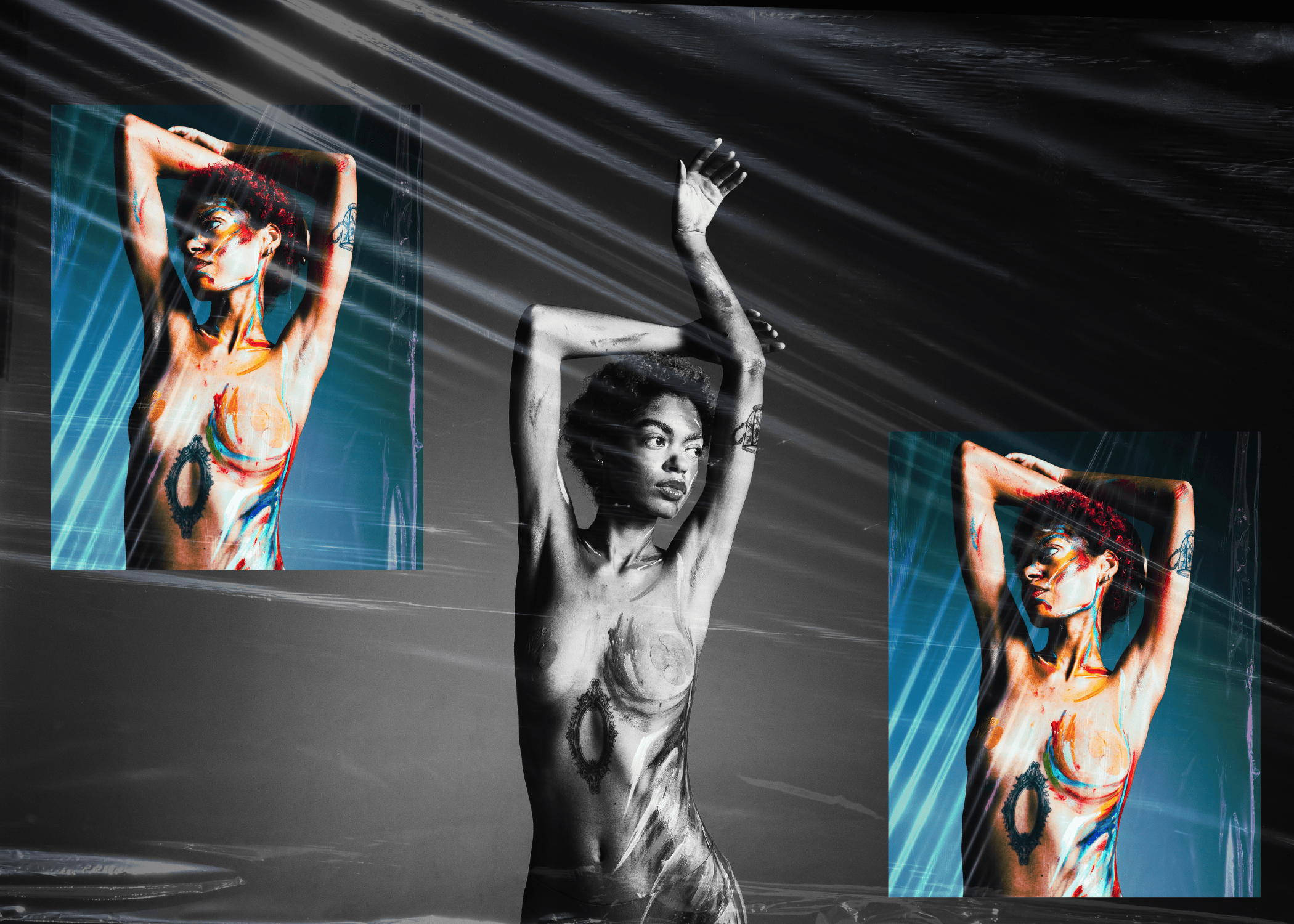
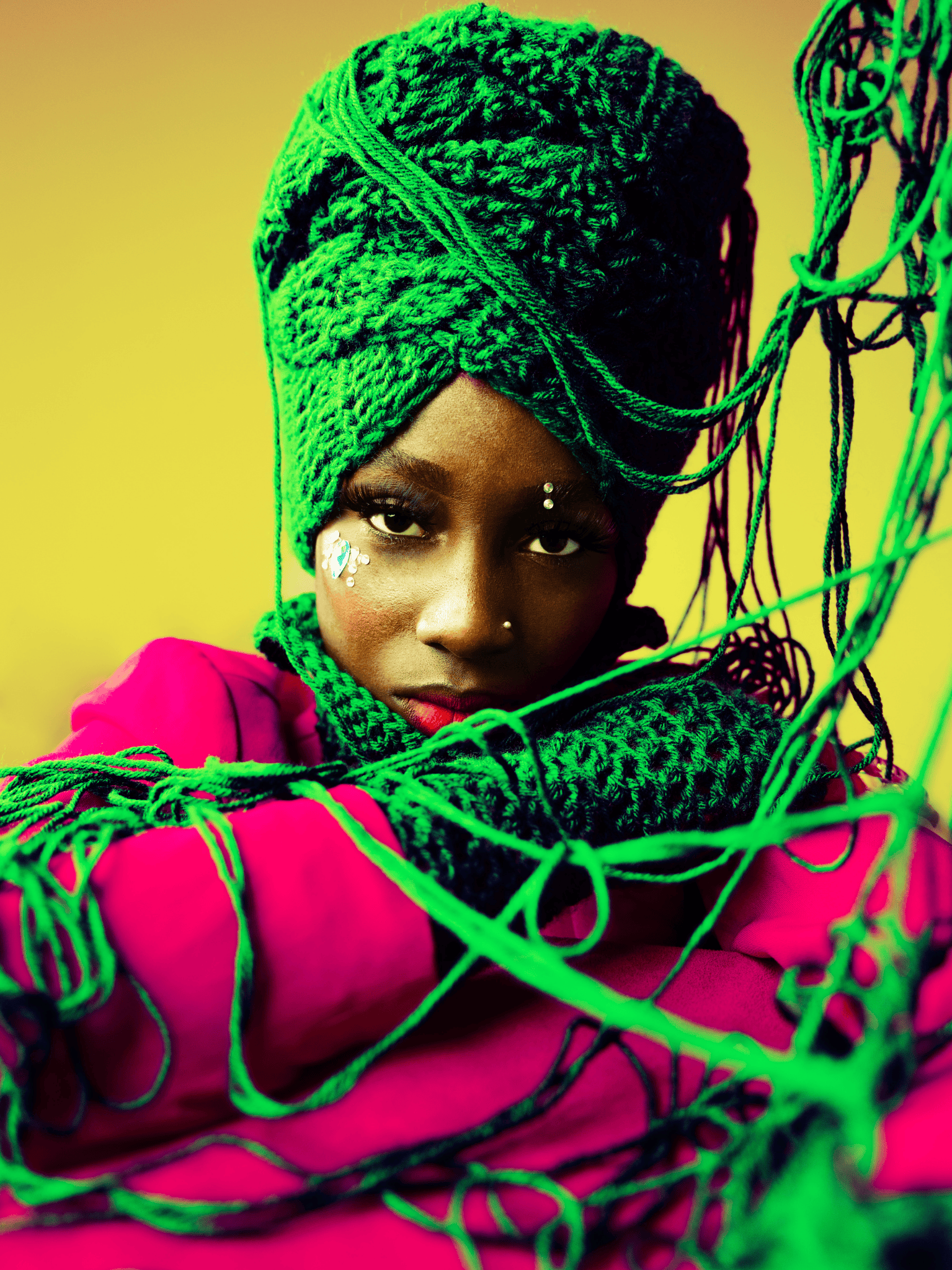
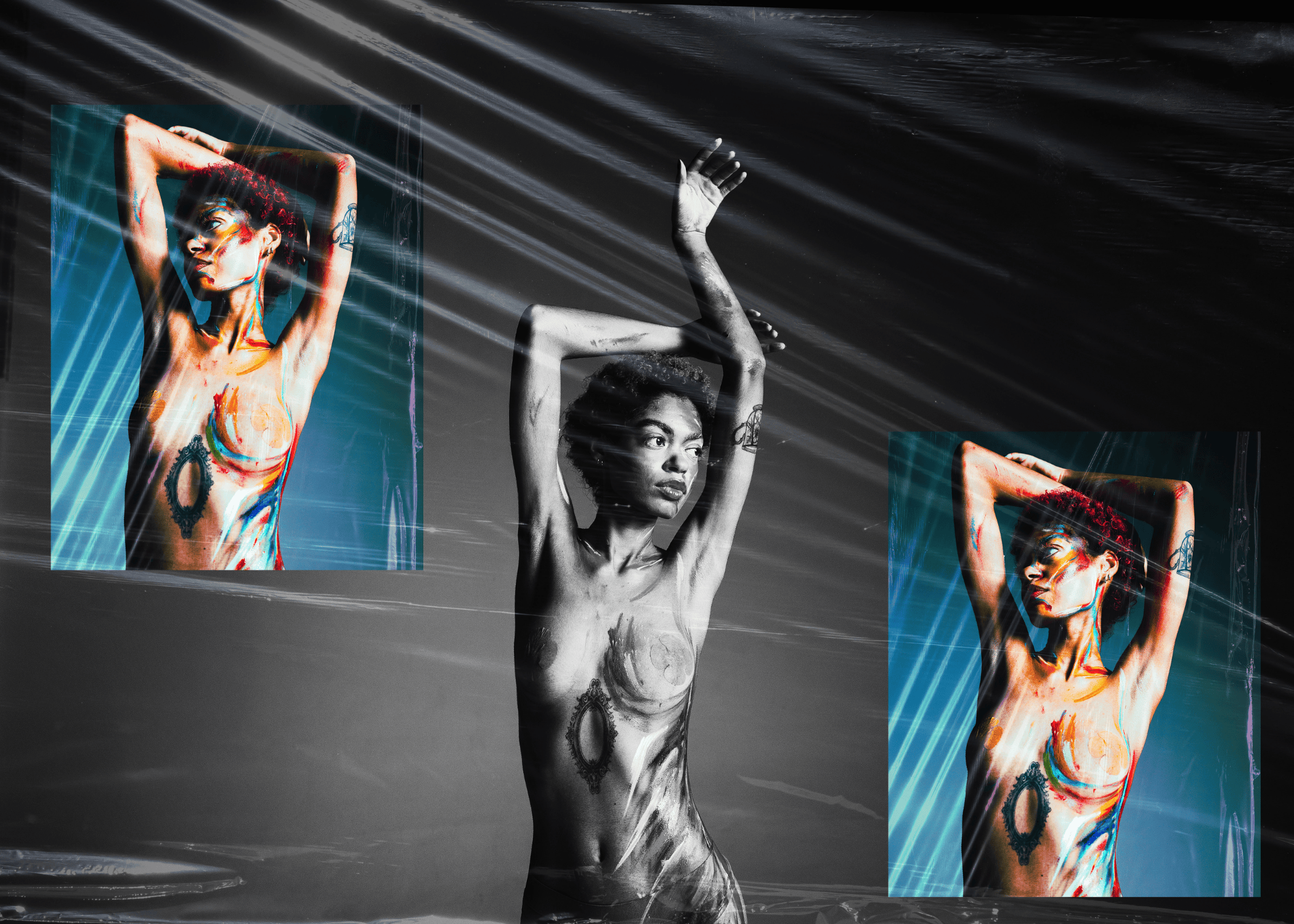
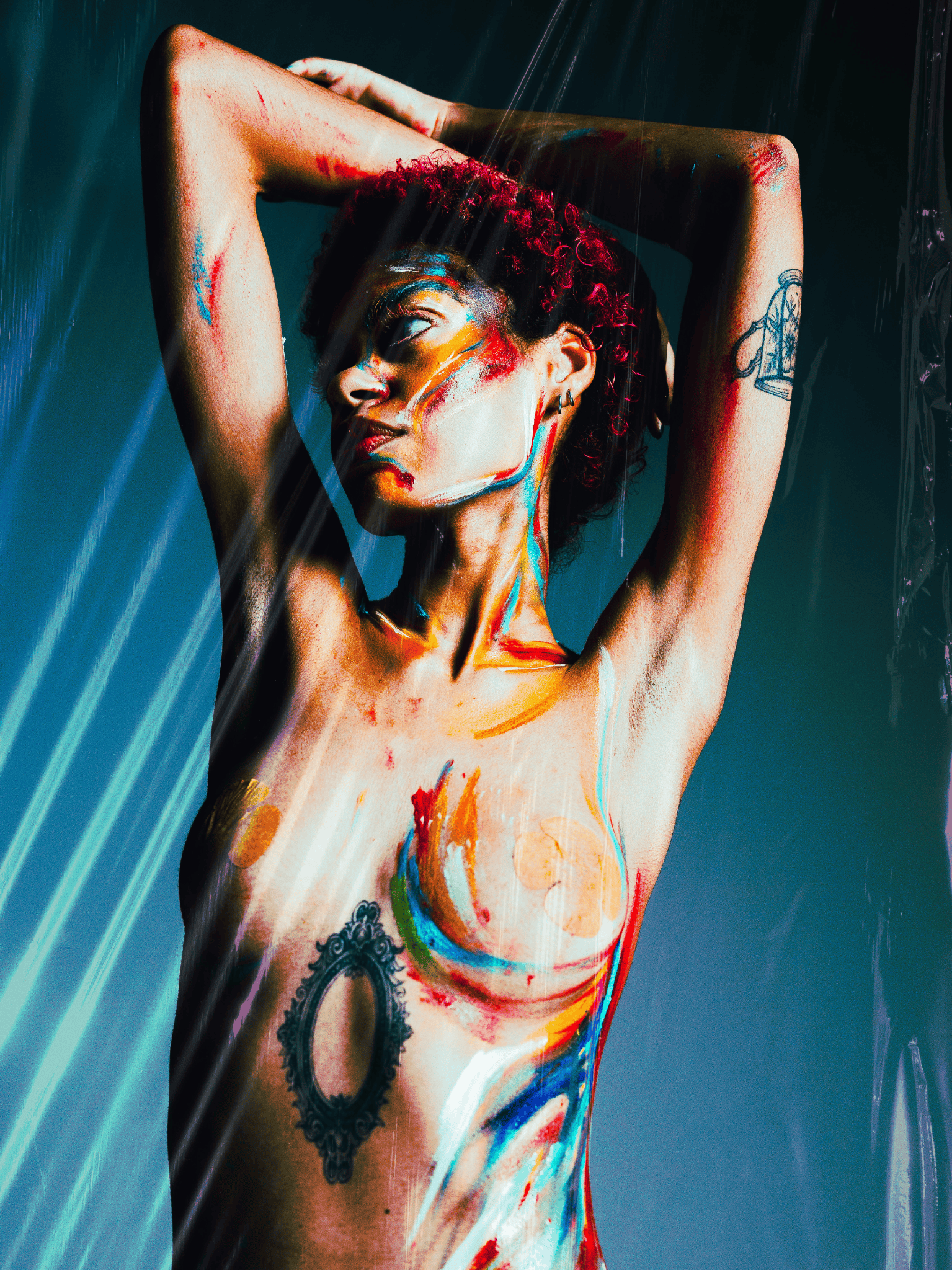
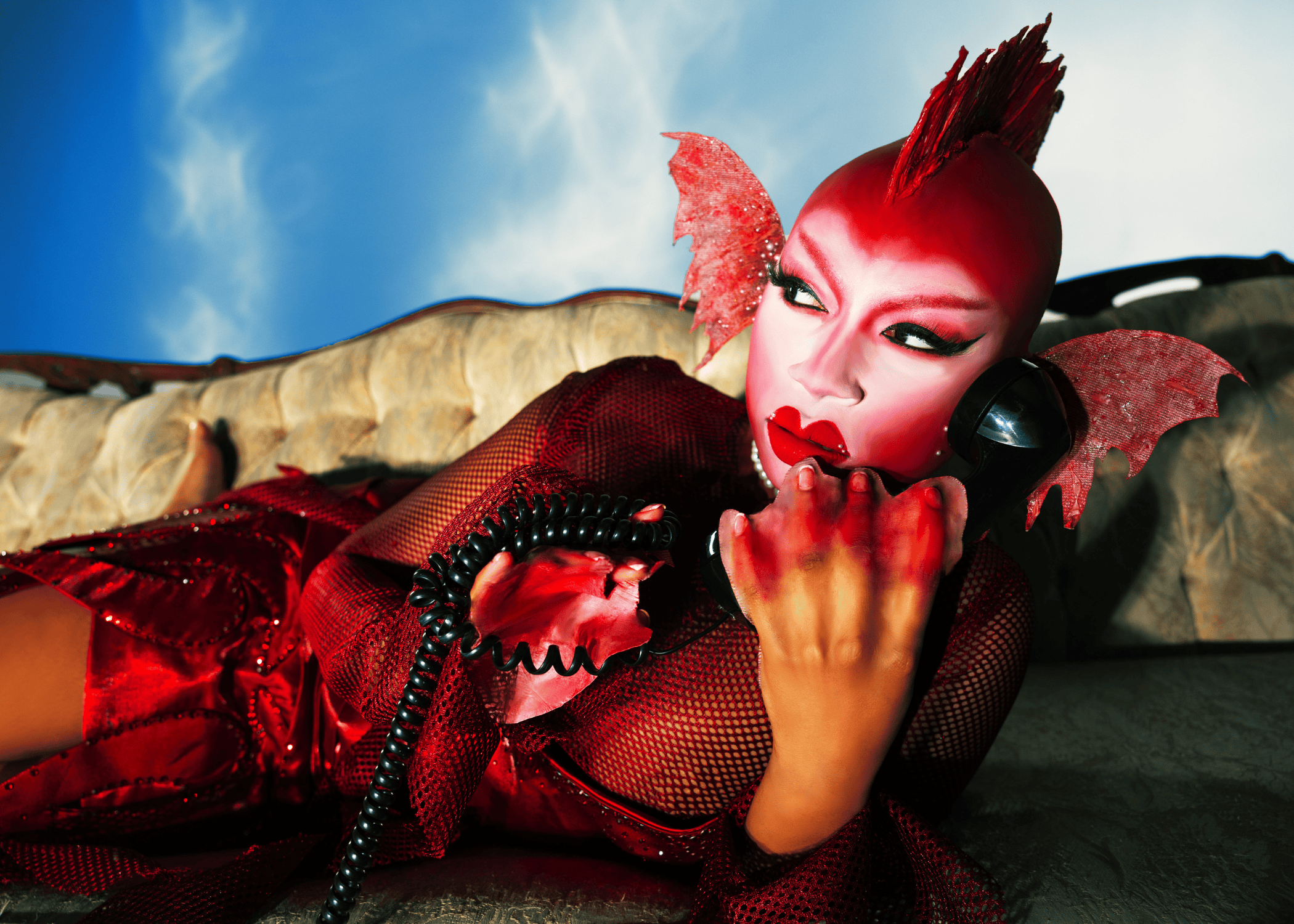
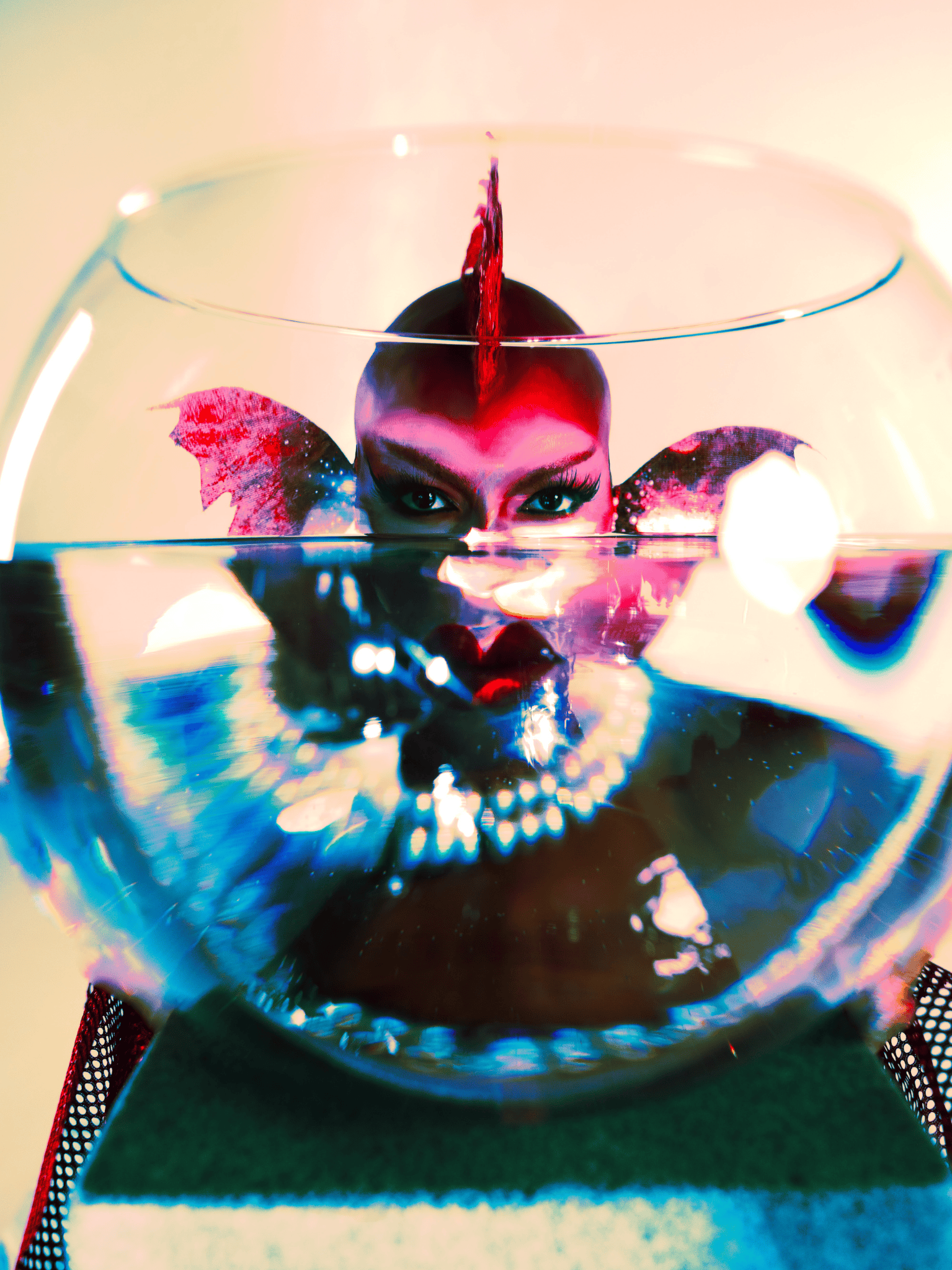
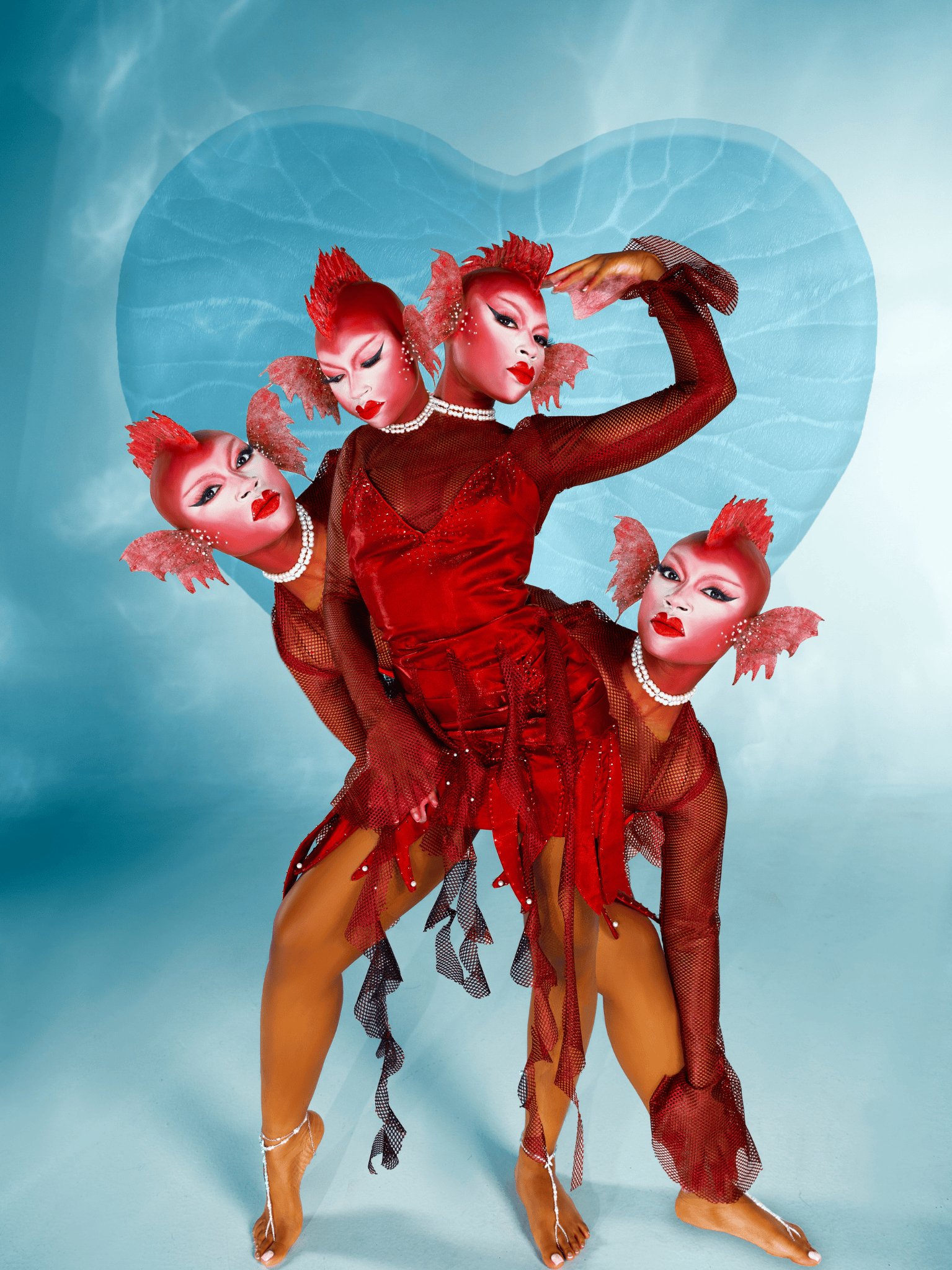
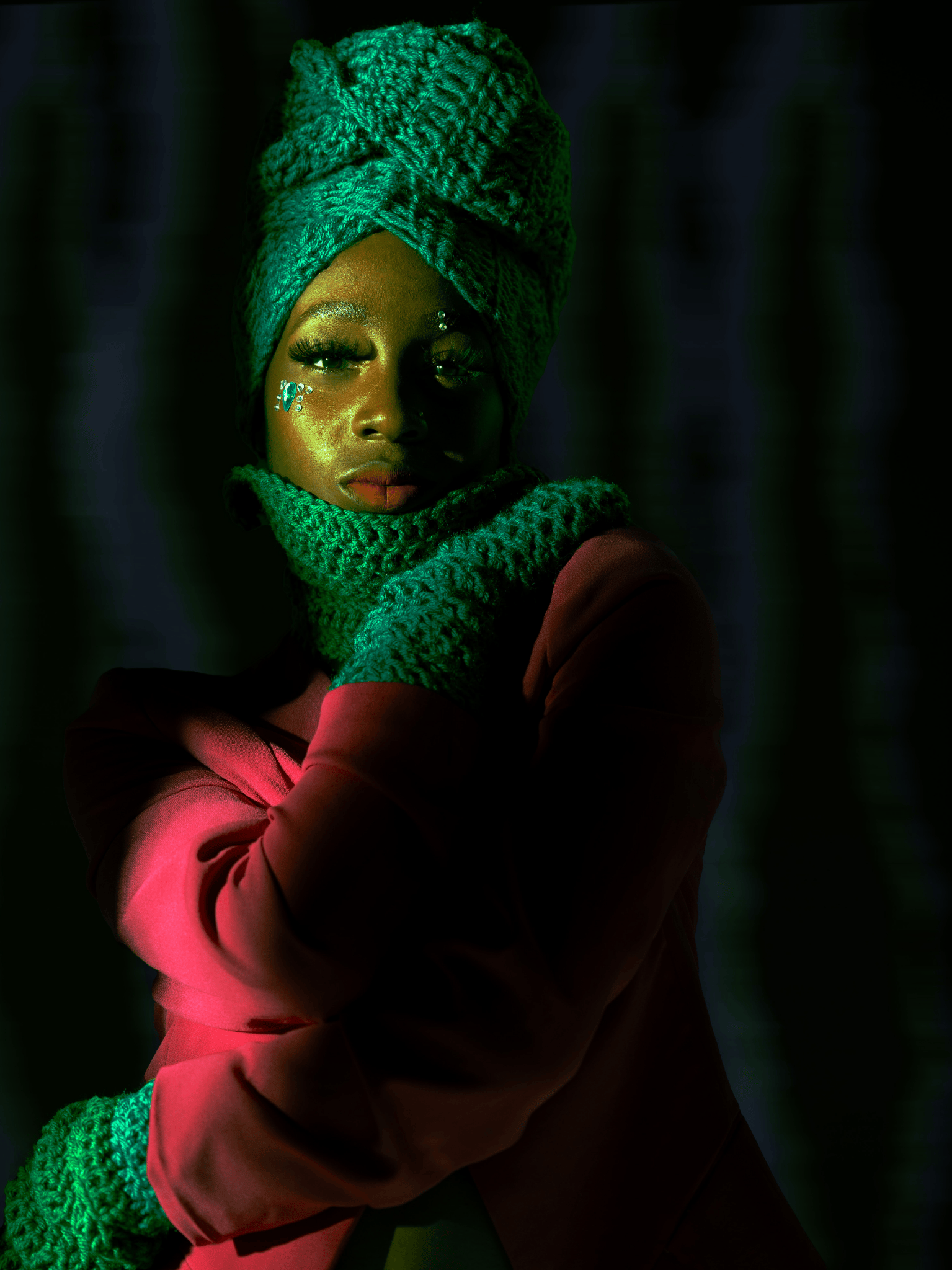
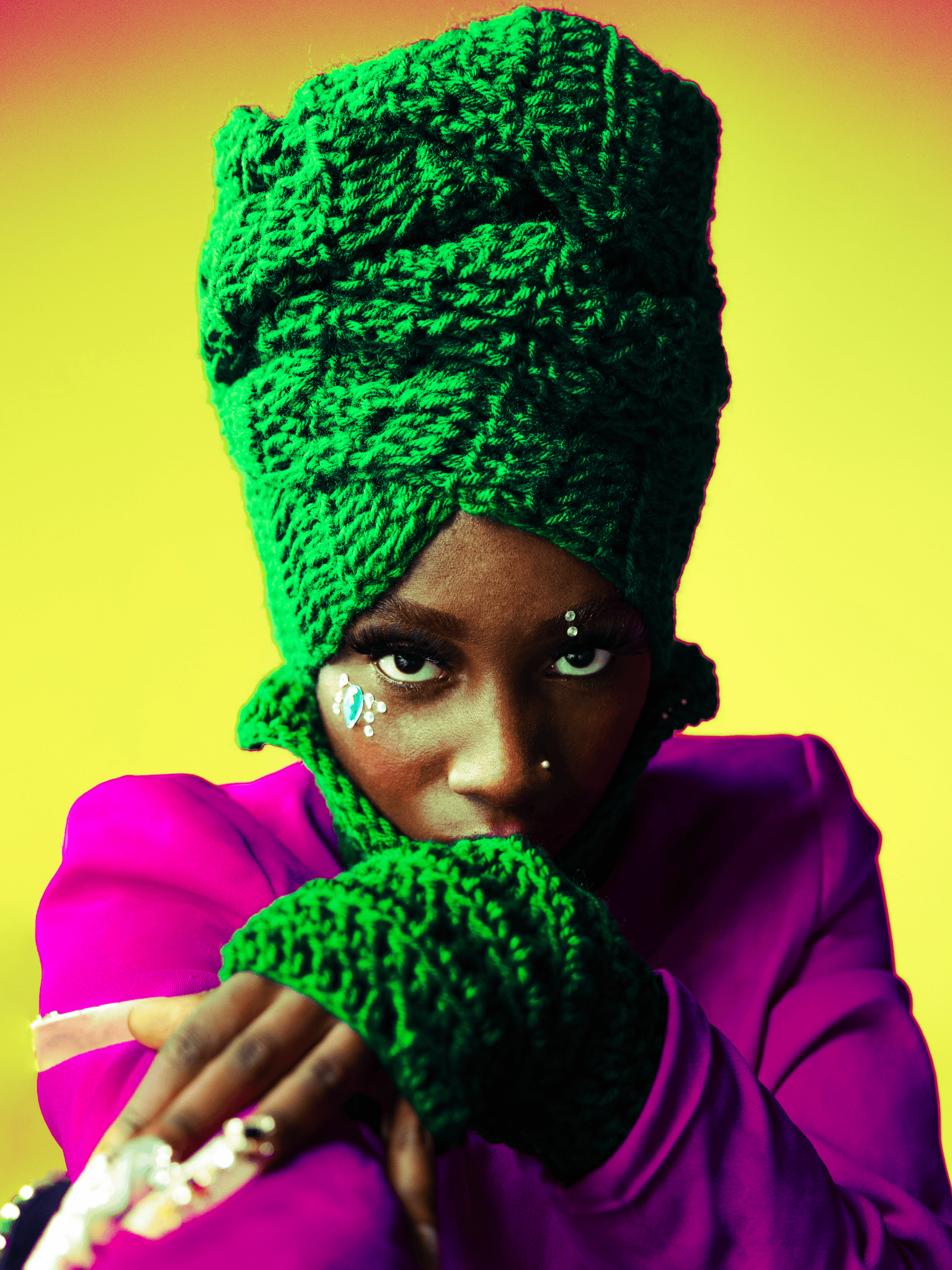
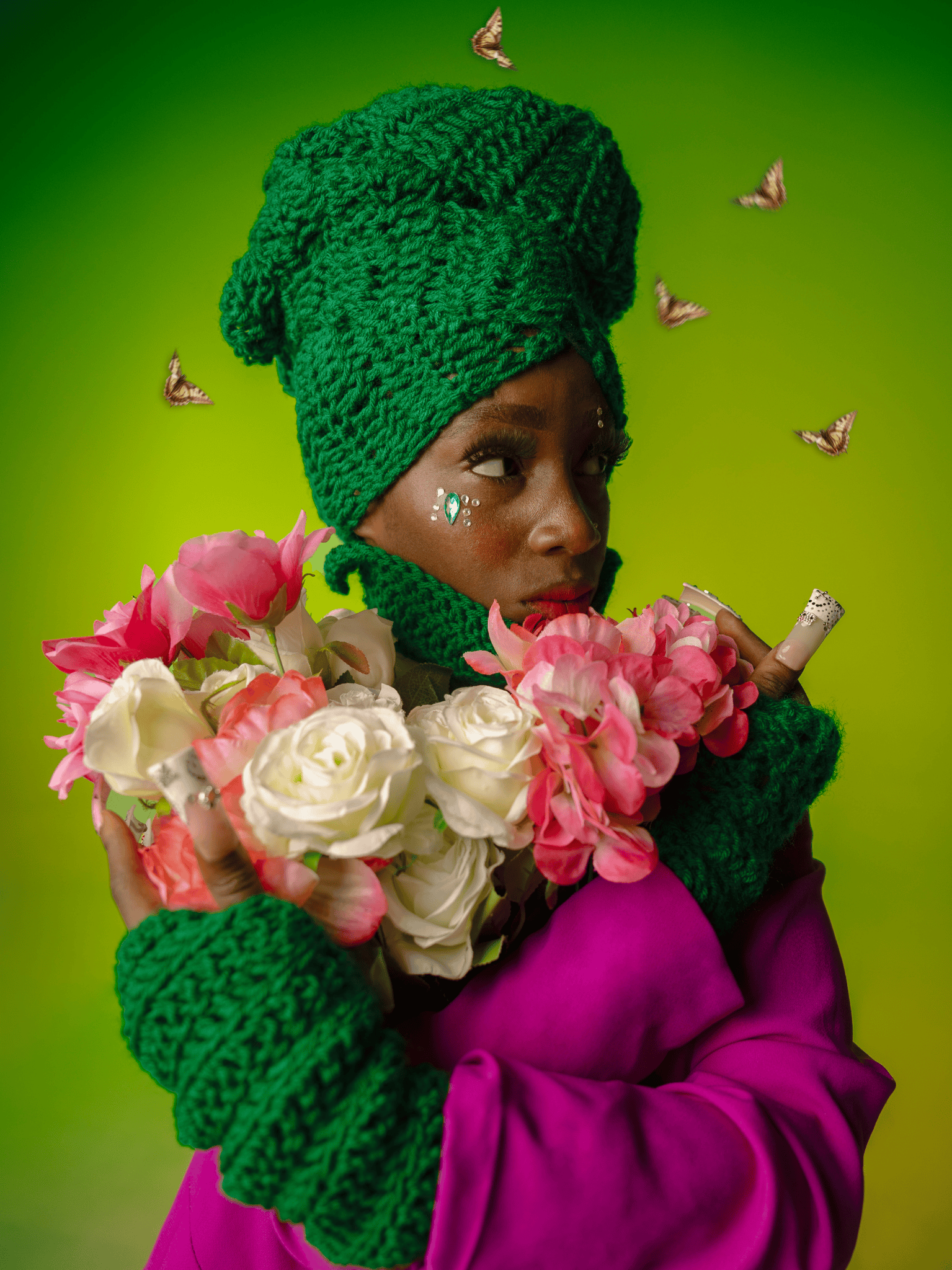
“Color Girl Series” is my first surrealism photoshoot and my rebellion against expectations. This work is about breaking the image people want you to fit into and creating your own visual rules. Through bold color and surreal framing, the “color girl” refuses to be confined—she becomes a self-defined figure, rewriting how she is seen and who she is allowed to be.
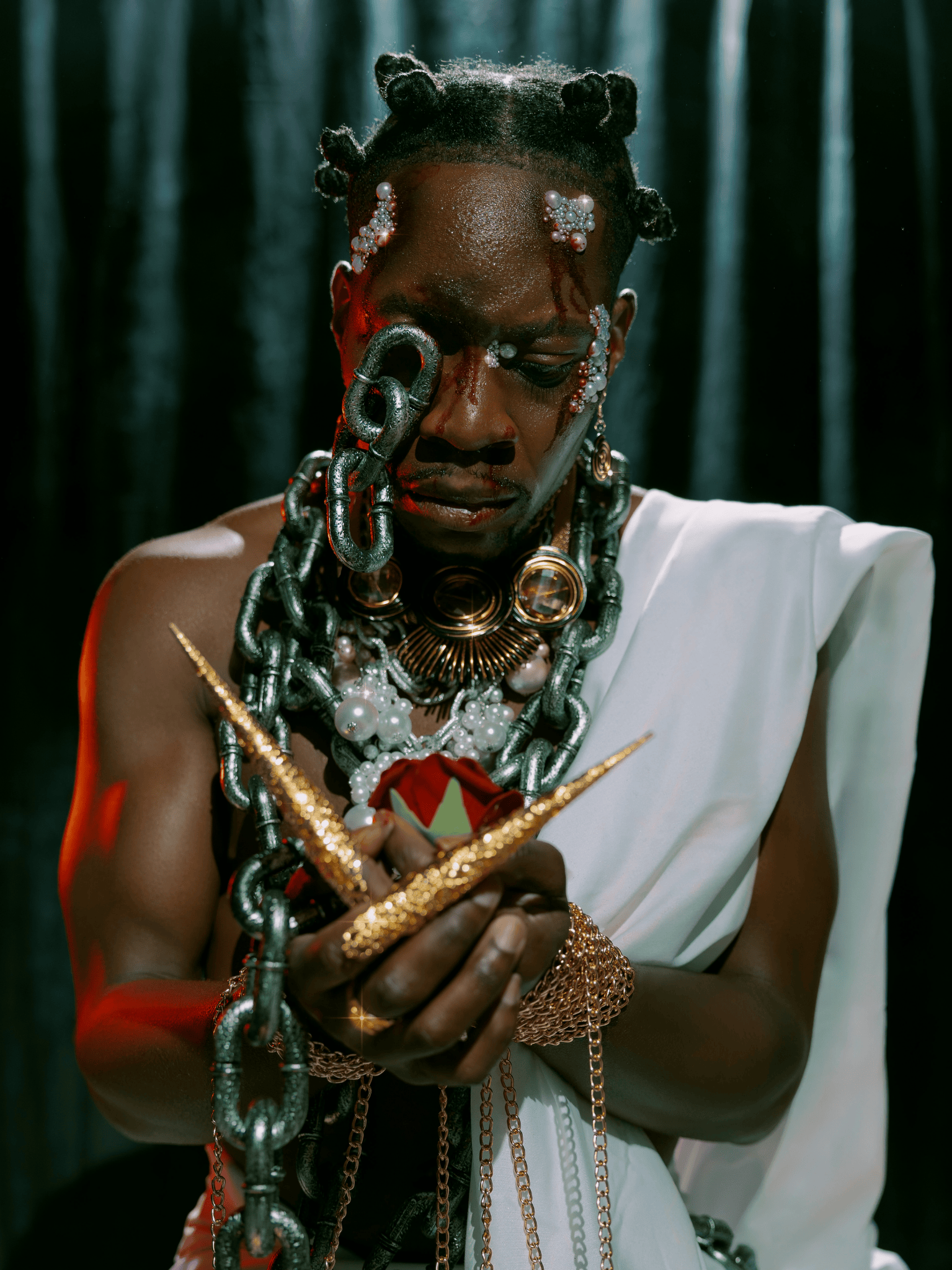
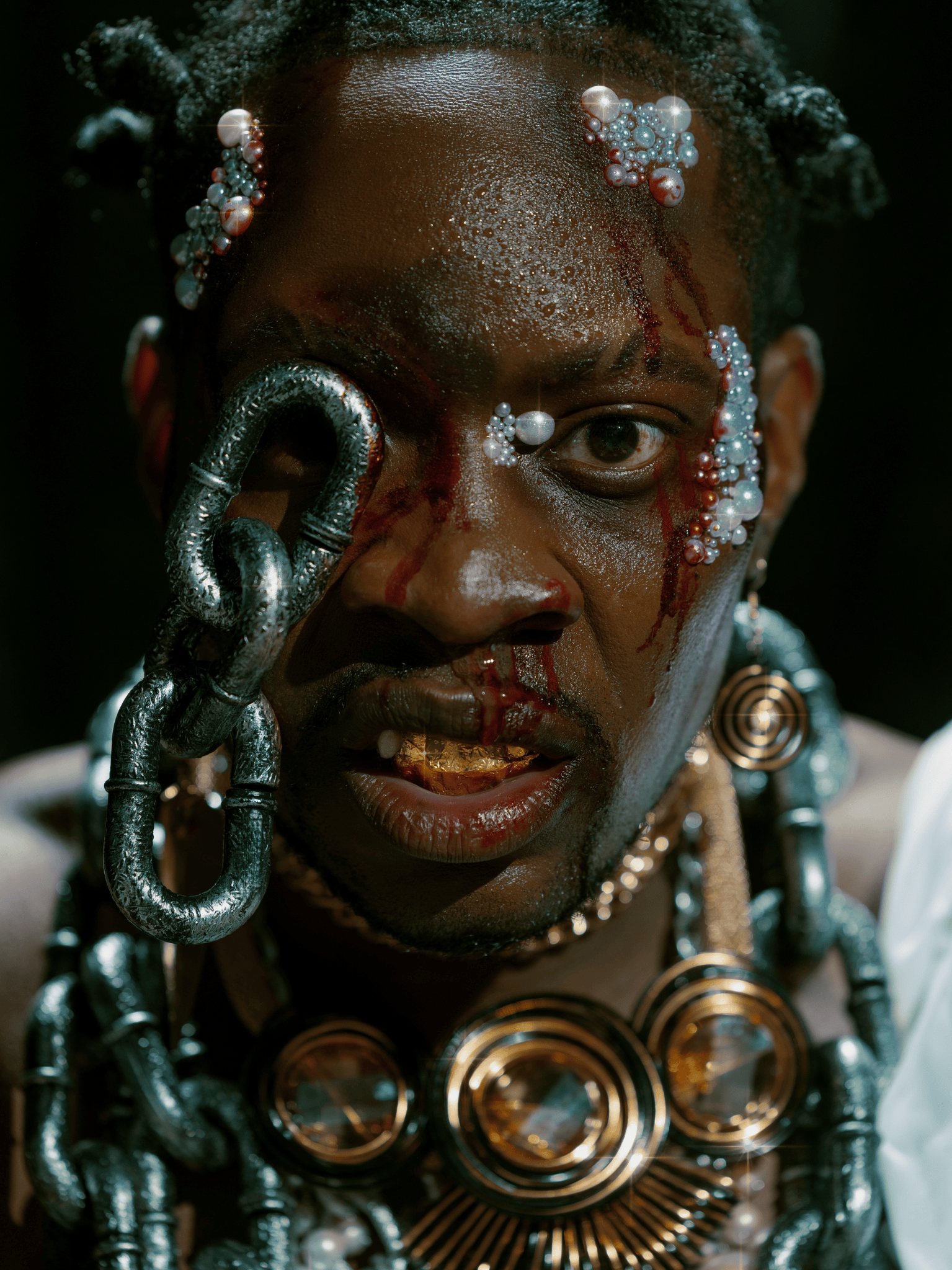
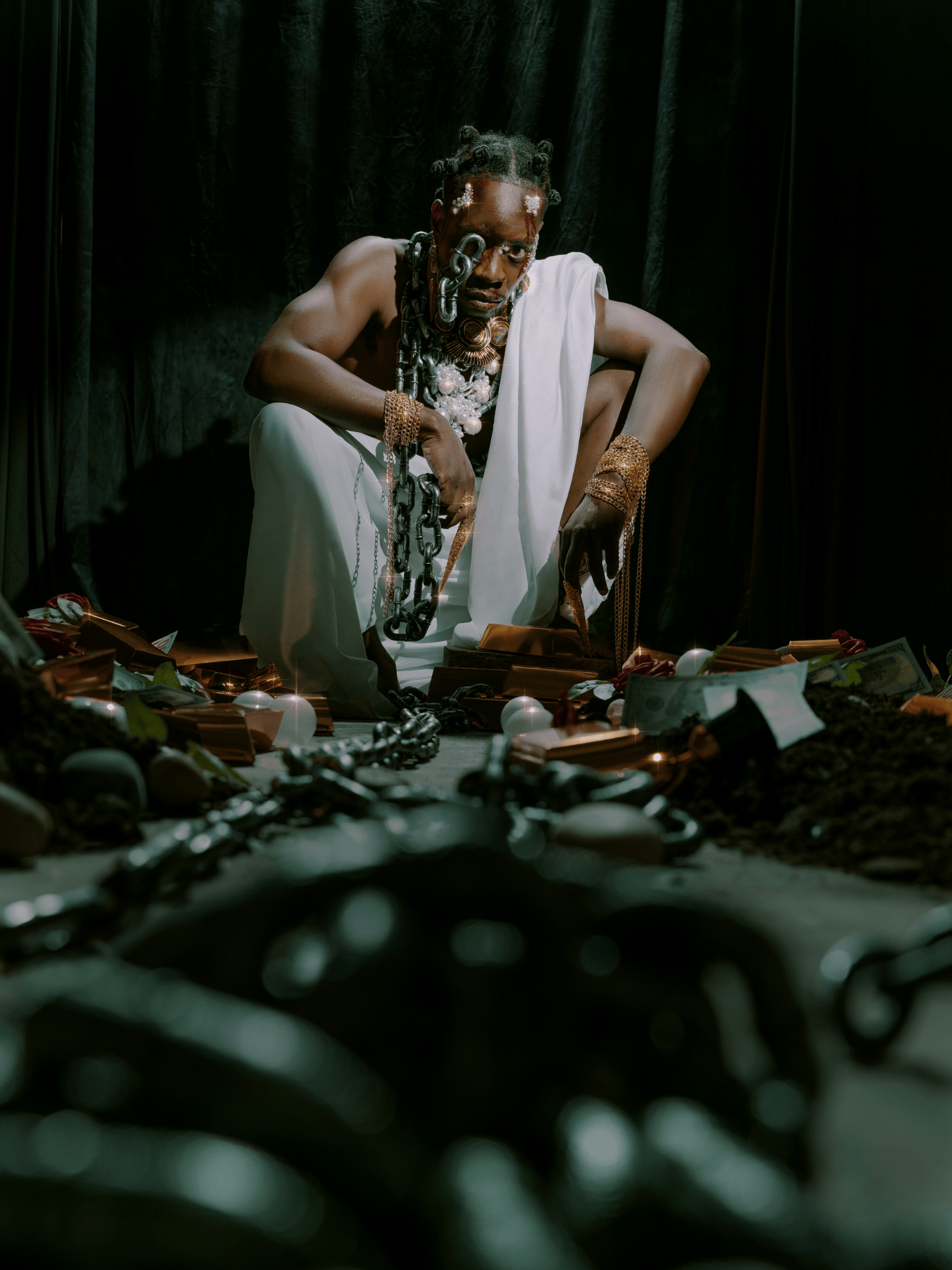
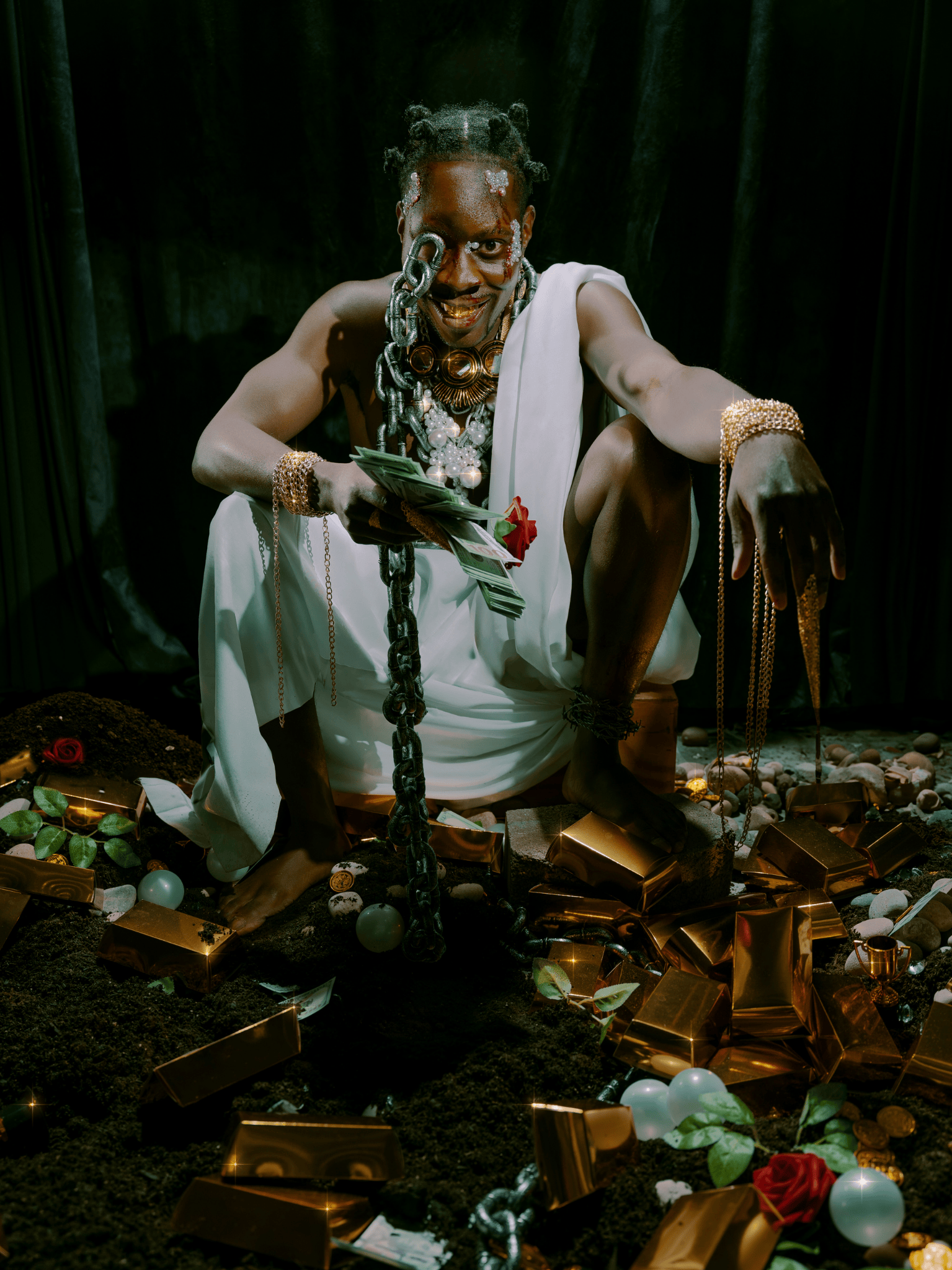
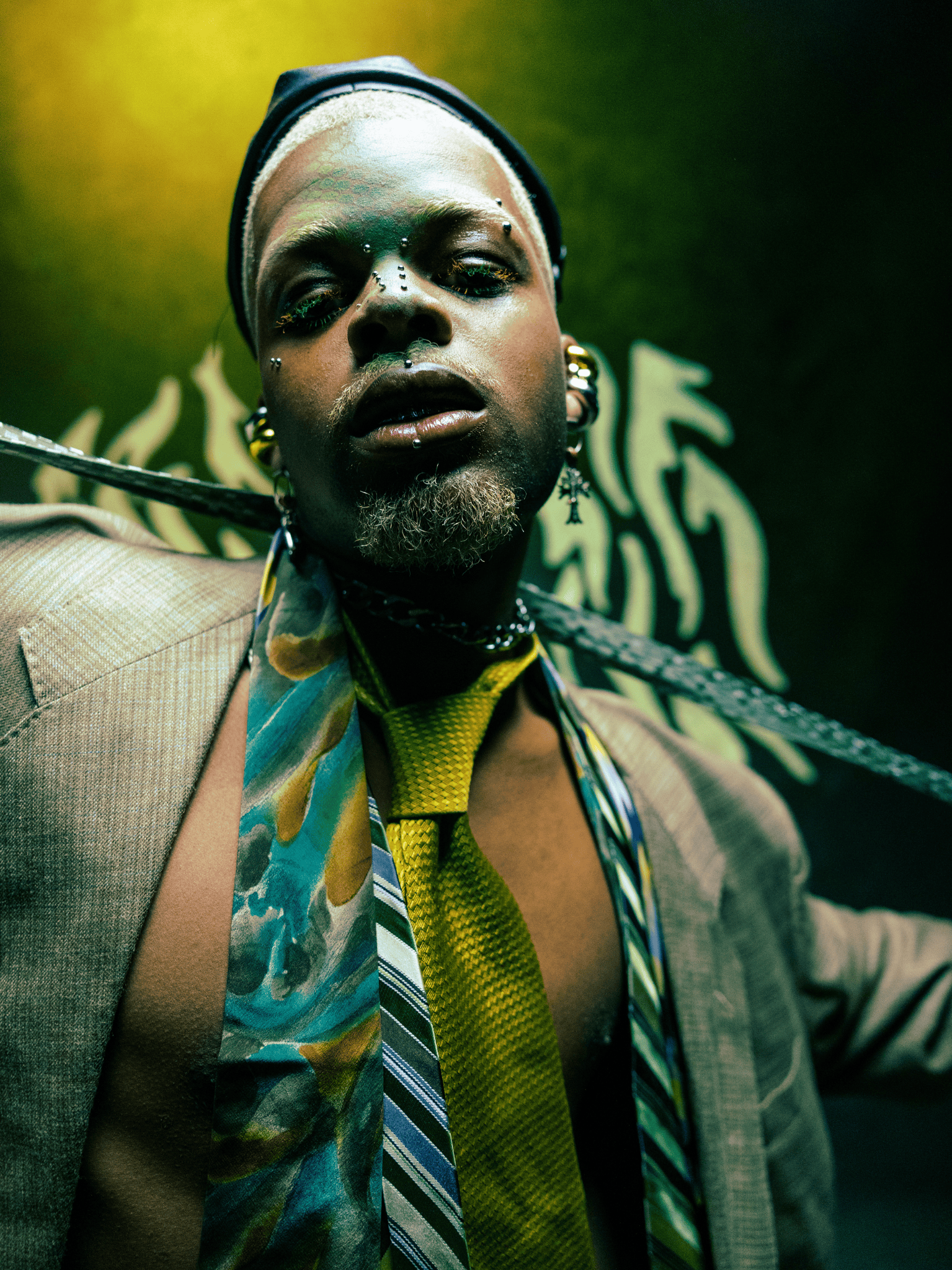
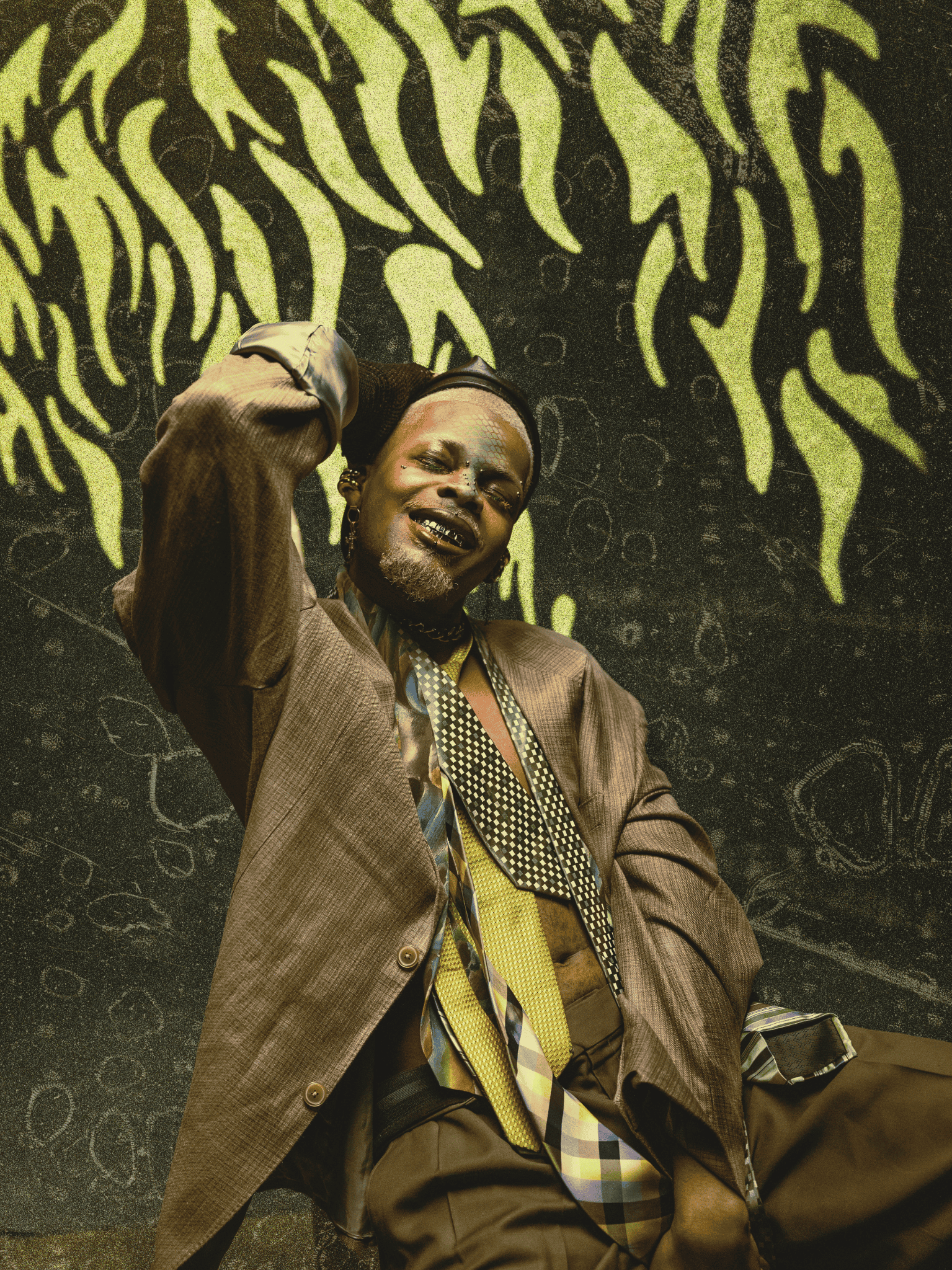
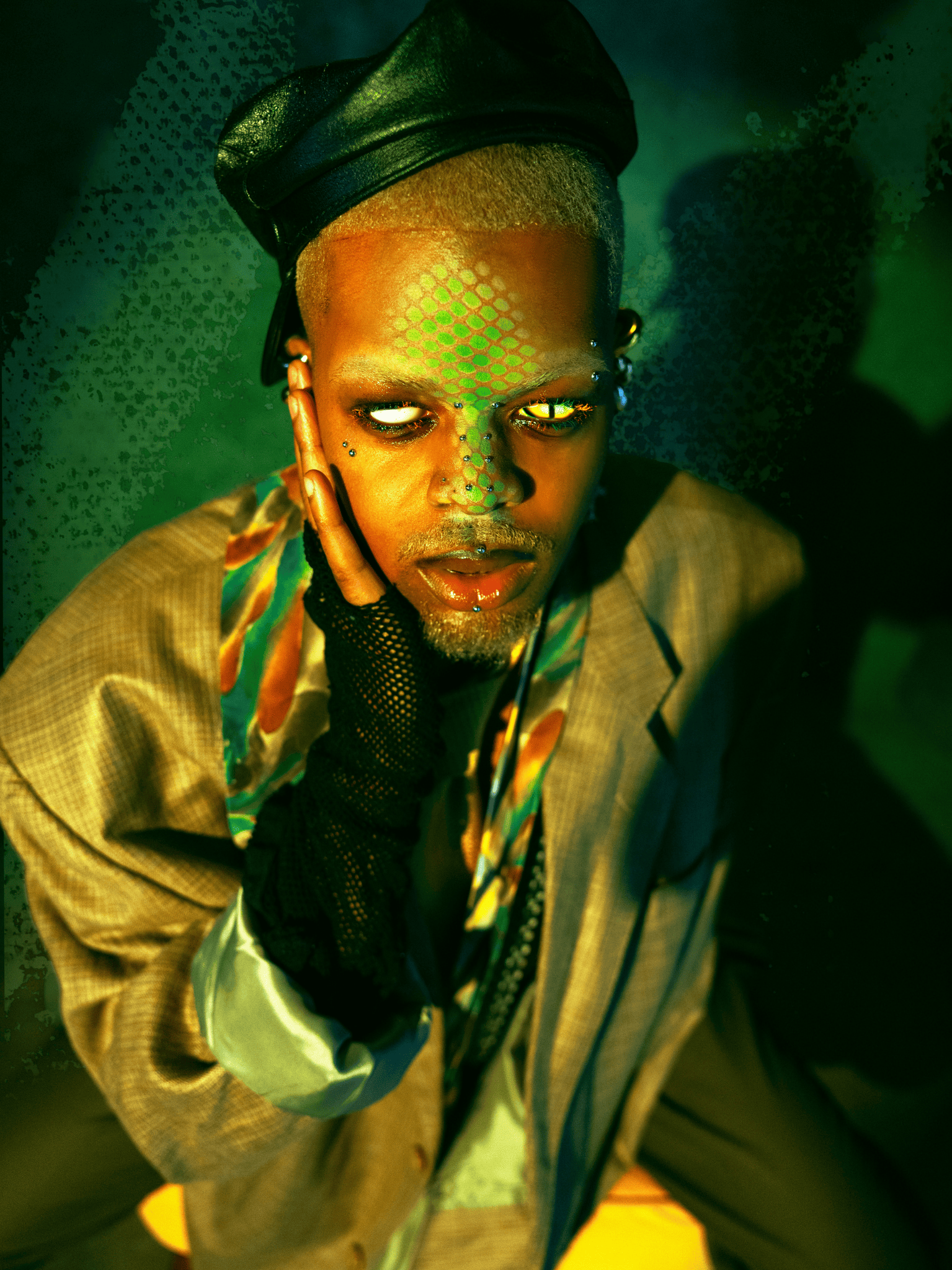
This series is a visual confession about the quiet addiction to “more”—more money, more praise, more proof, more becoming—until wanting turns into worship. The God I Made follows a figure crowned in shine yet chained to it, pearls piercing the skin like beauty becoming sickness, and blood marking the price of entitlement. It’s not about one man, but the human condition: walking by sight instead of faith, losing yourself in opinions and possessions, and forgetting the dirt you once came from. In the silence beneath success, the work asks one question that won’t let go: What have I done—and what more do I really want?
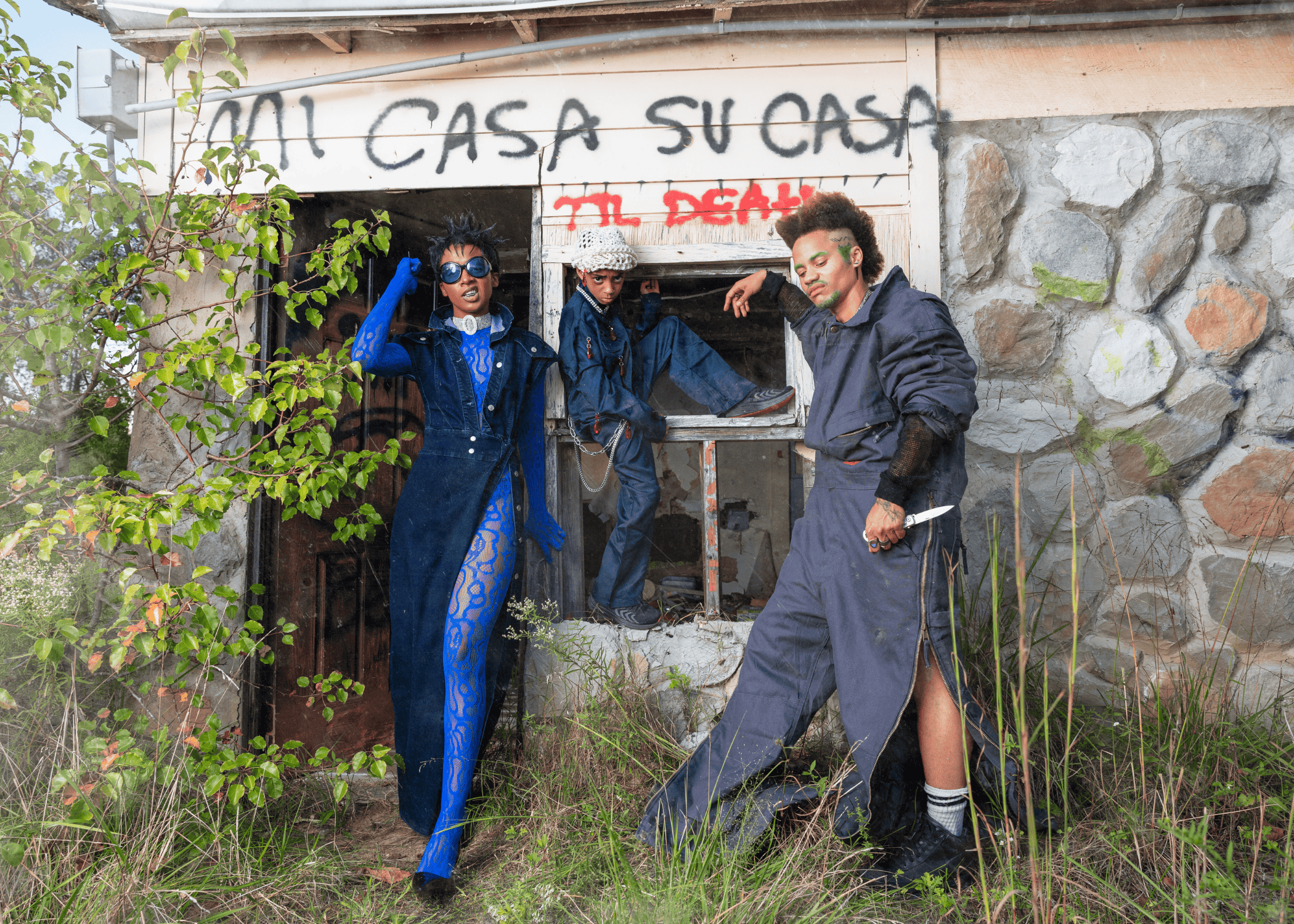
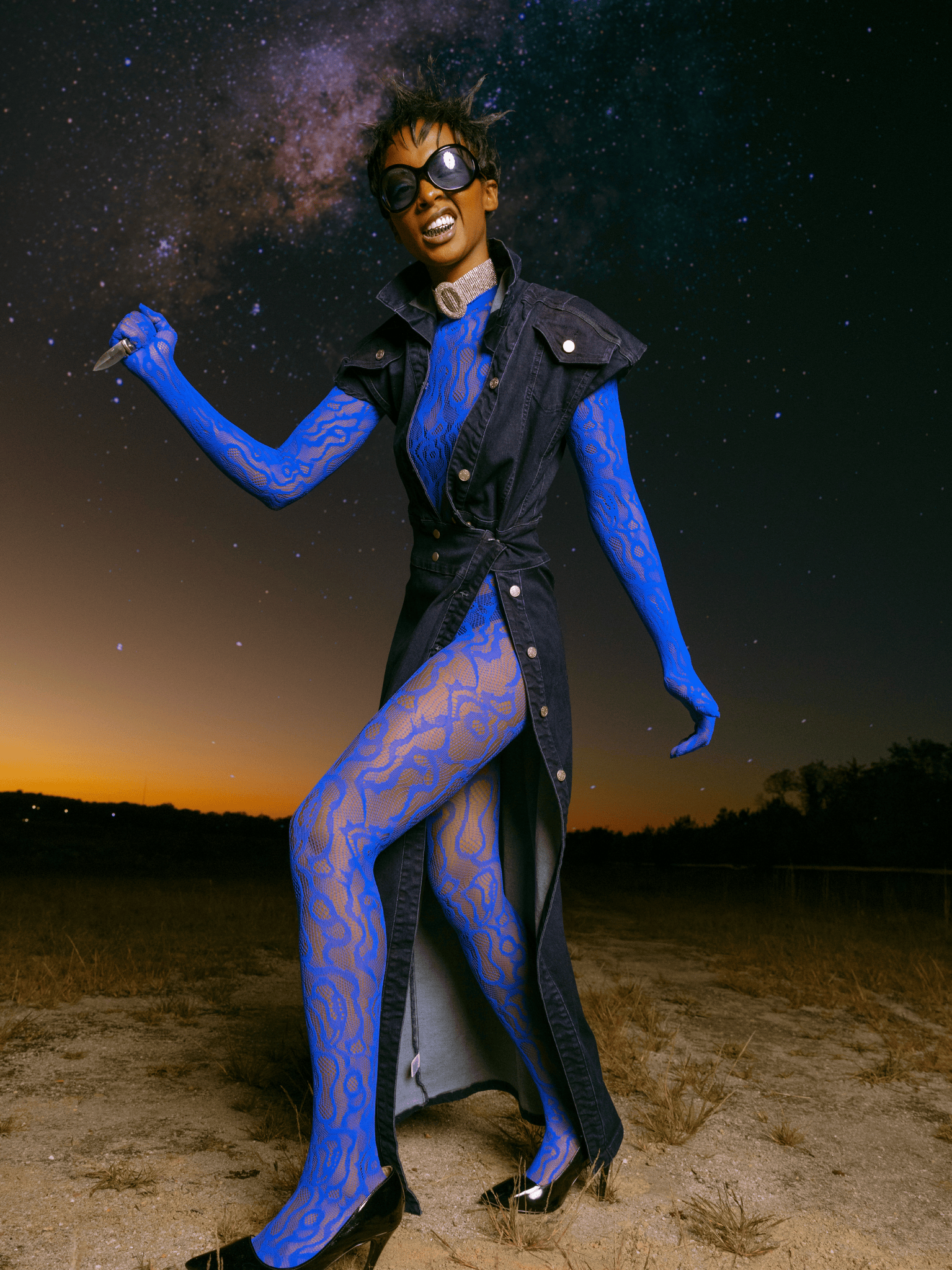
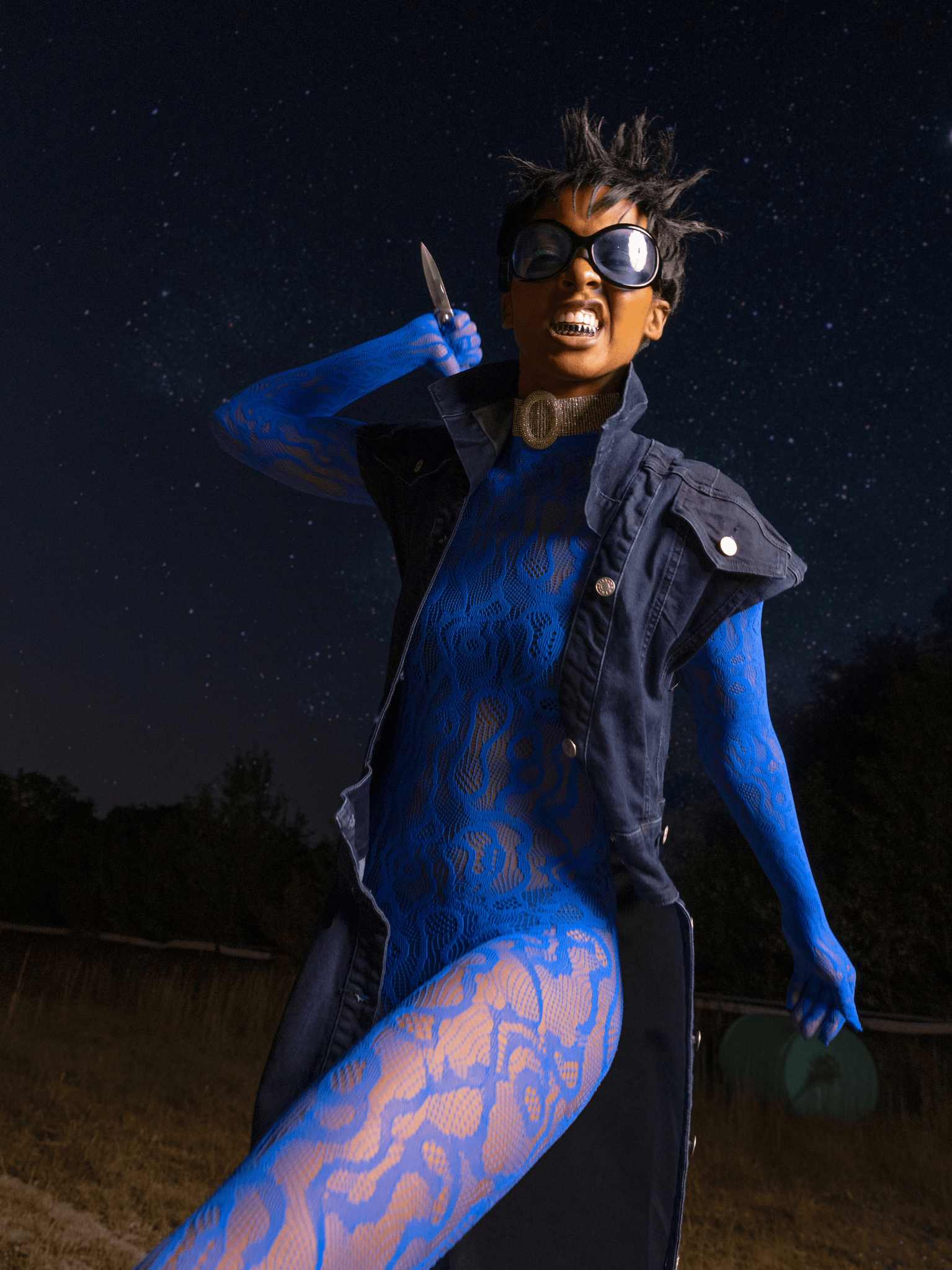
“W E” photoshoot series began as a Halloween project and a visual remake inspired by Us by Jordan Peele. Instead of the iconic red wardrobe from the film, I reimagined the look in shades of blue—shifting the energy from blood and chaos to something colder, quieter, and more psychological.
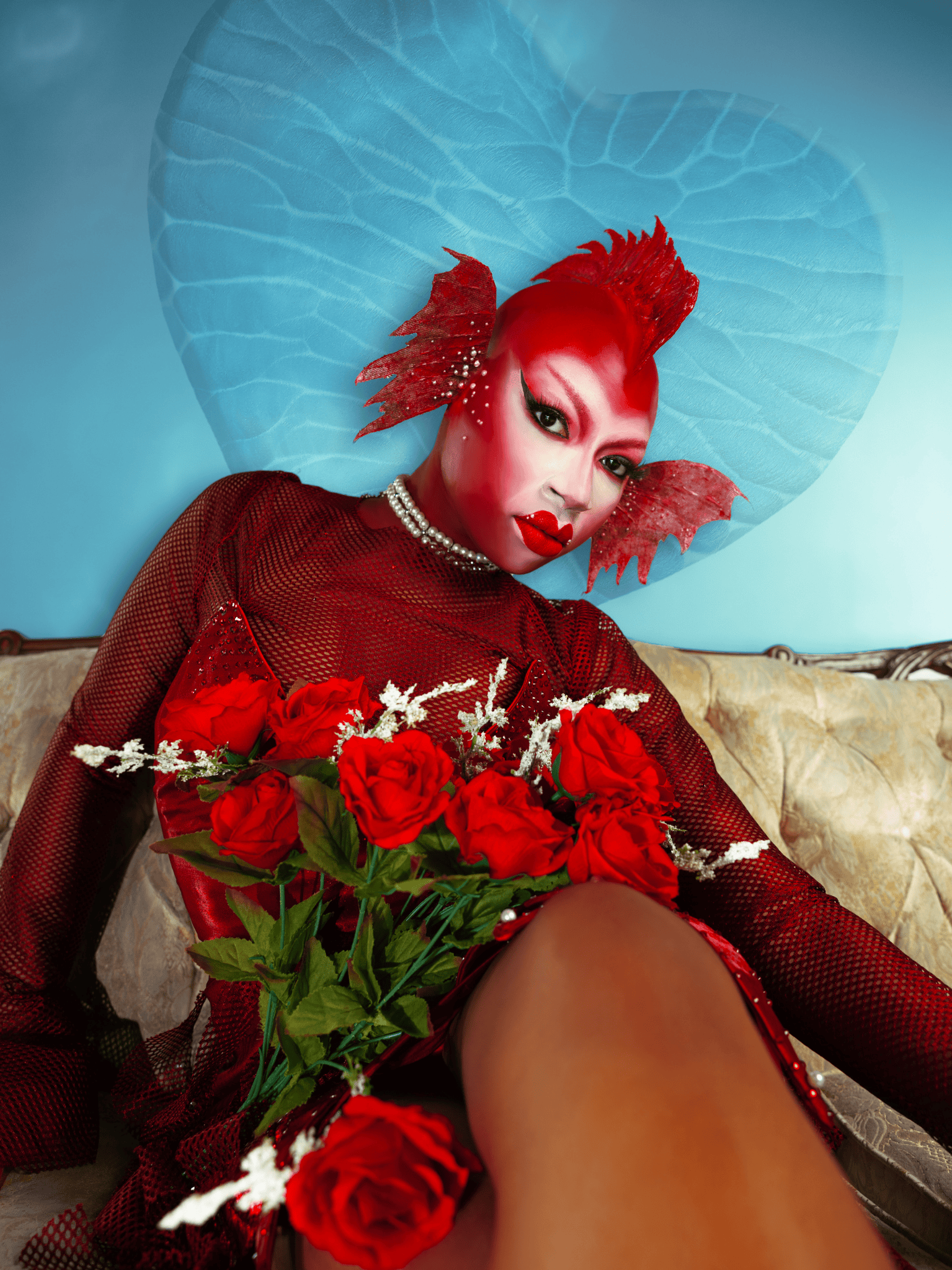
“Finding Love” explores the human urge to chase love in others, only to discover that we are our own first home. One foot stands in the illusion of being stuck, while the other is submerged in the ocean—moving through fear, redefining what love means. This series is about learning that true love begins with self-acceptance, and every relationship after that is a reflection of how deeply we honor ourselves.
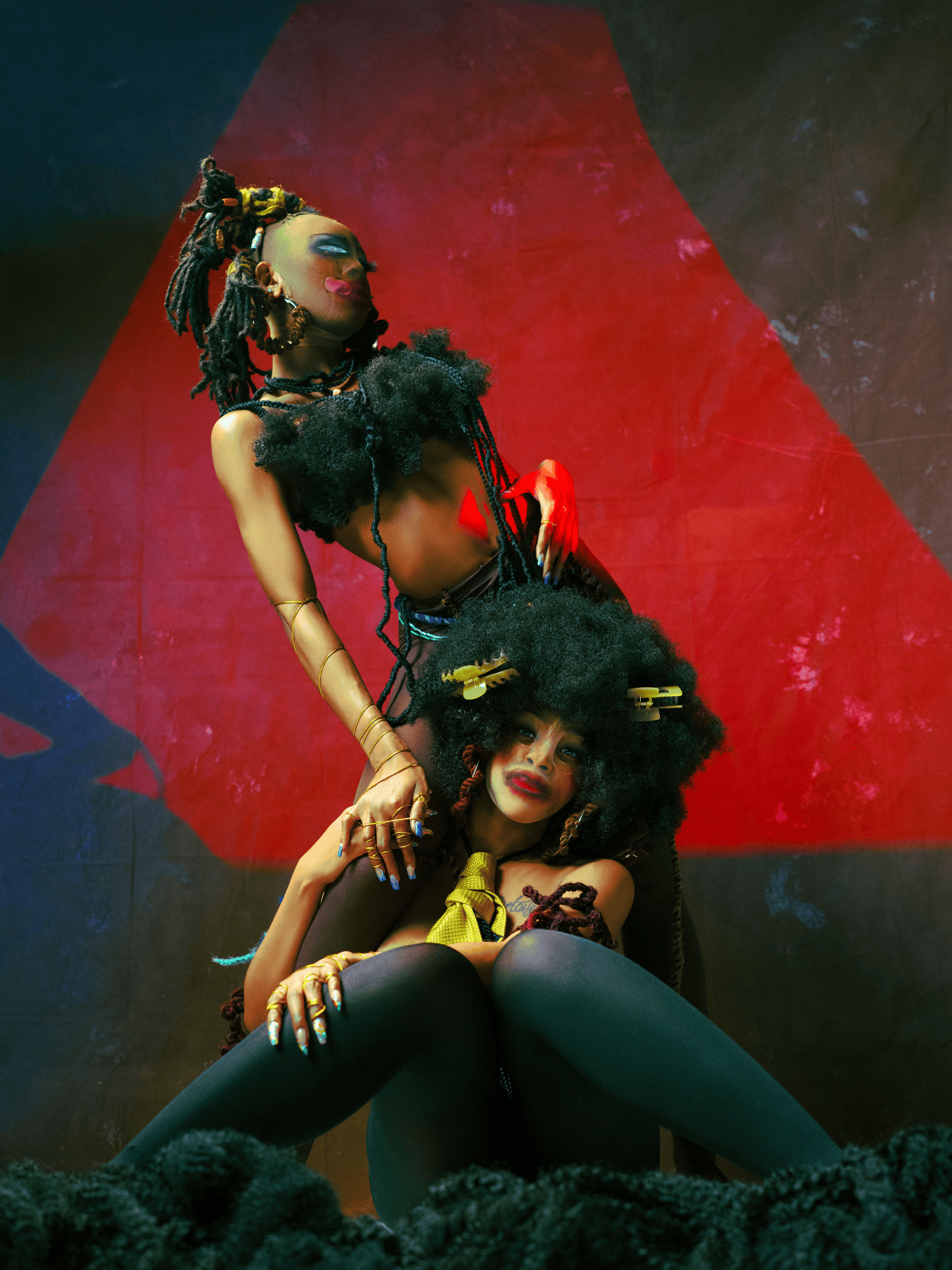
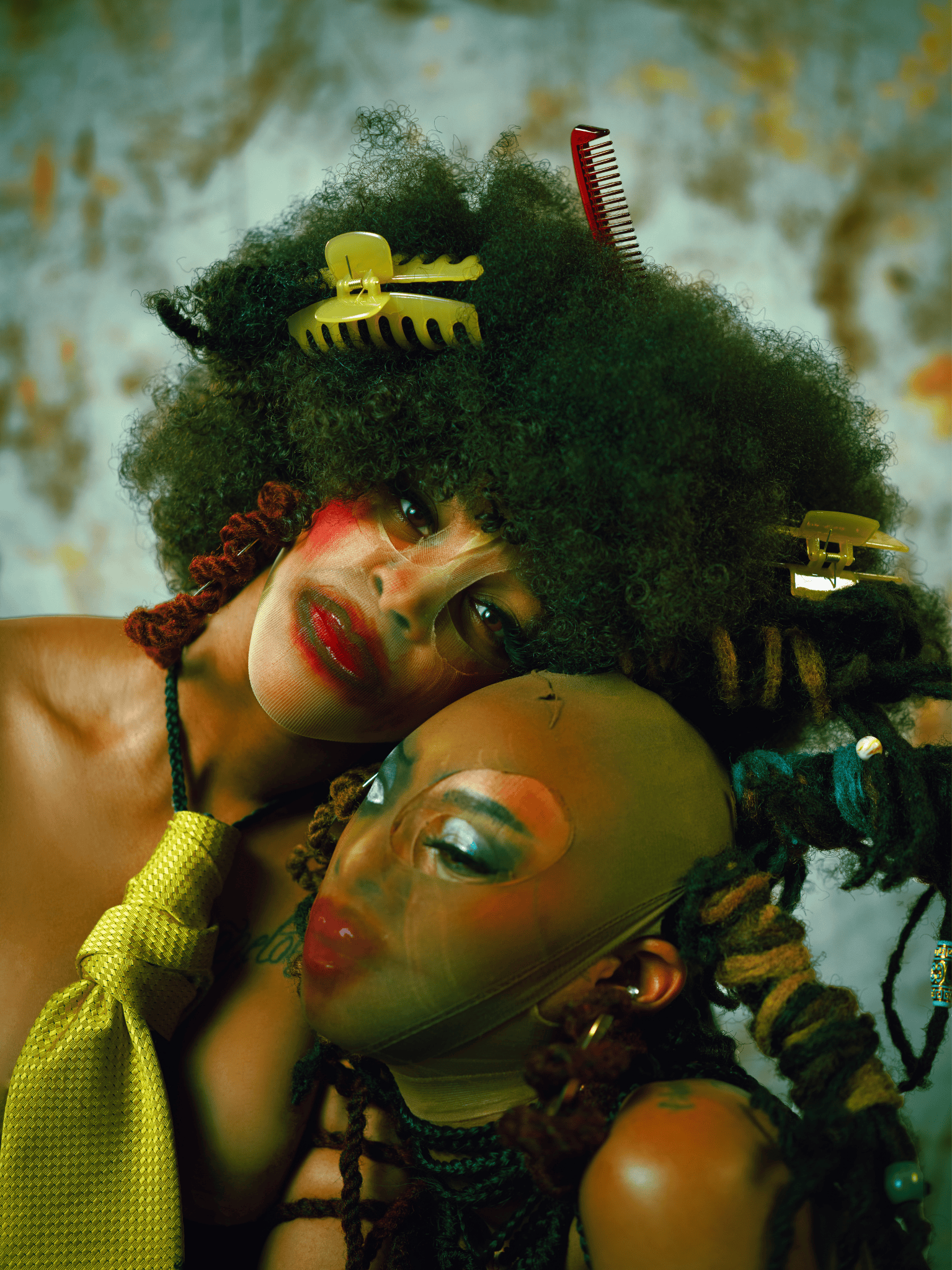
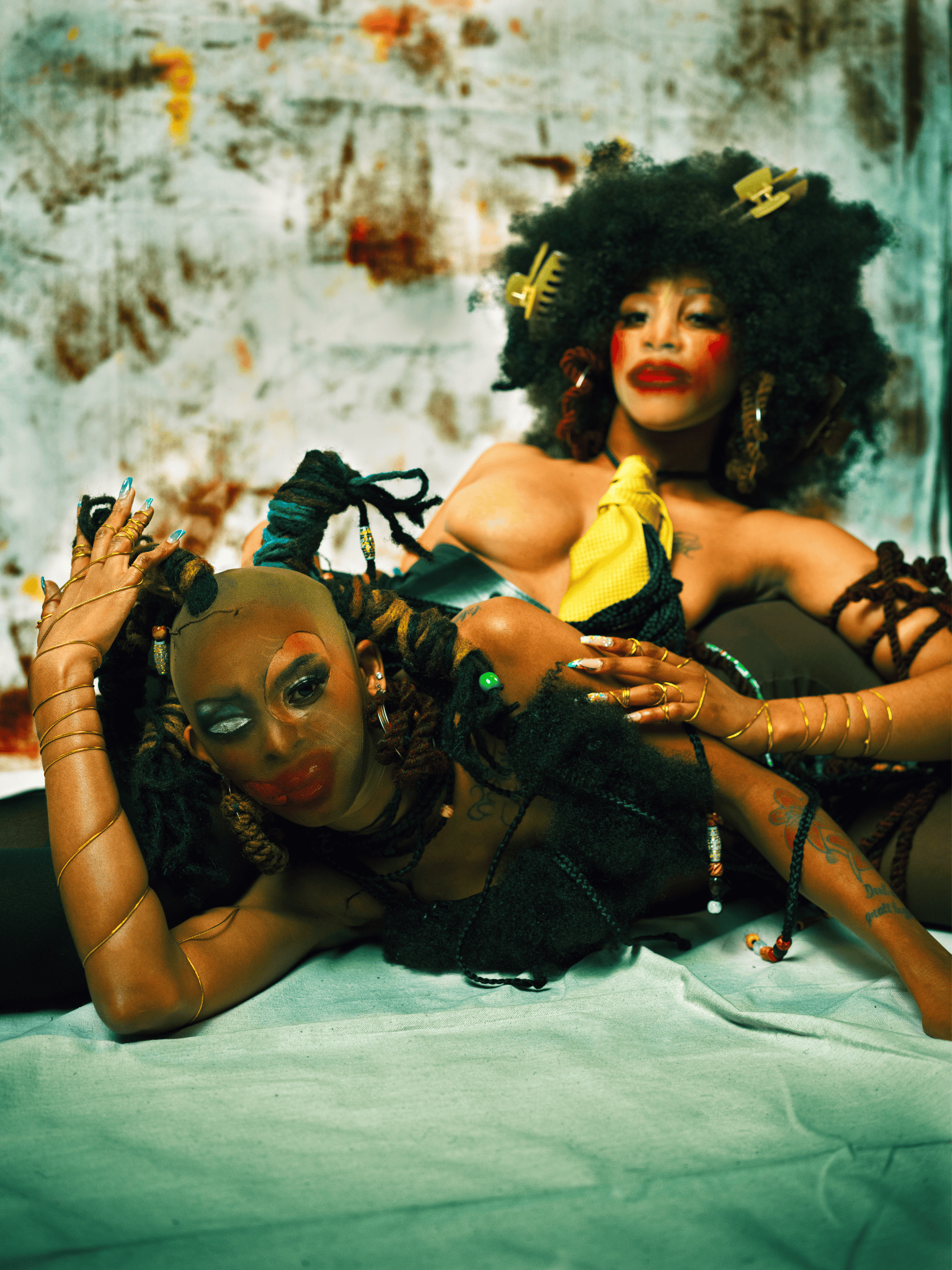
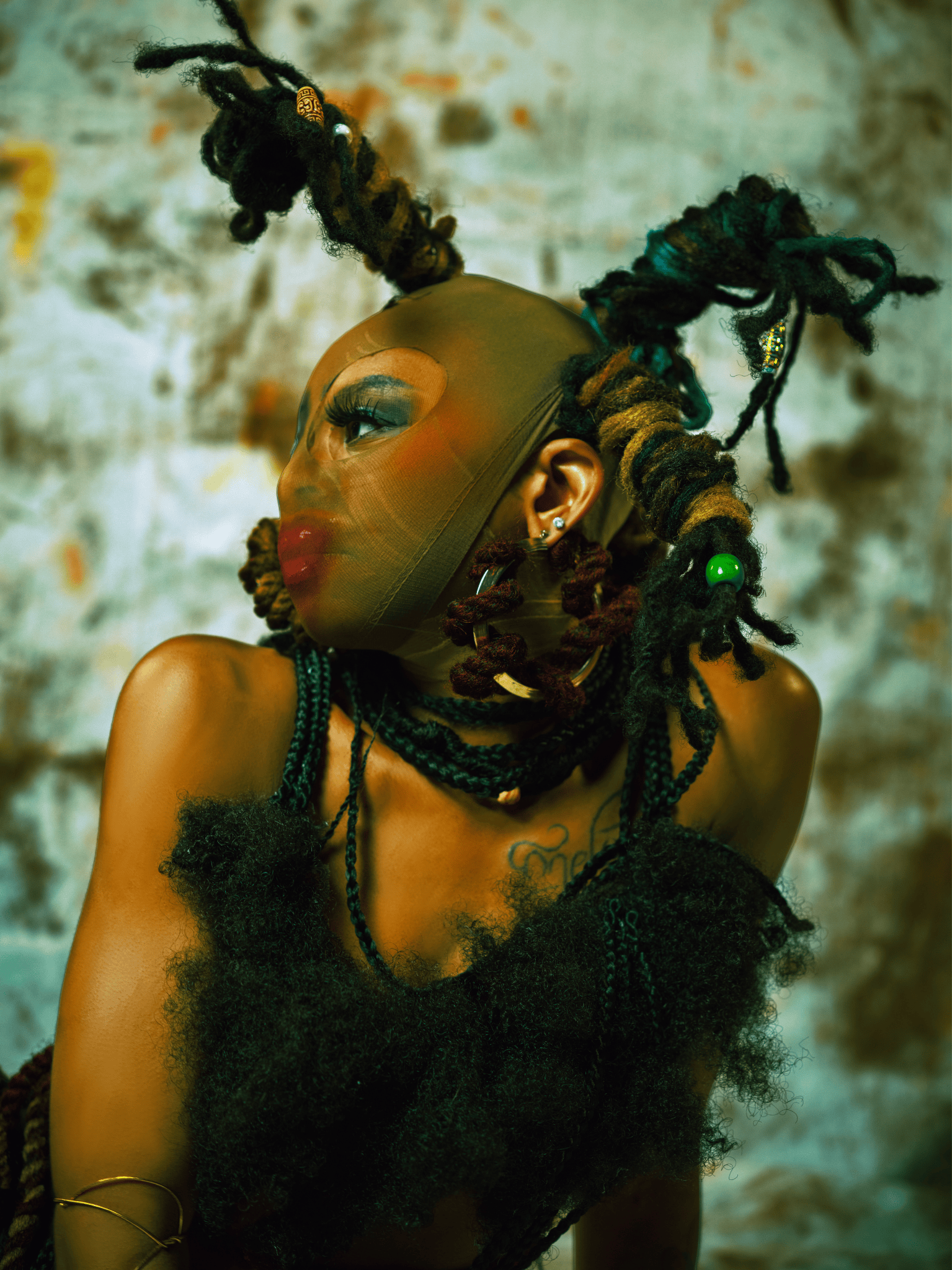
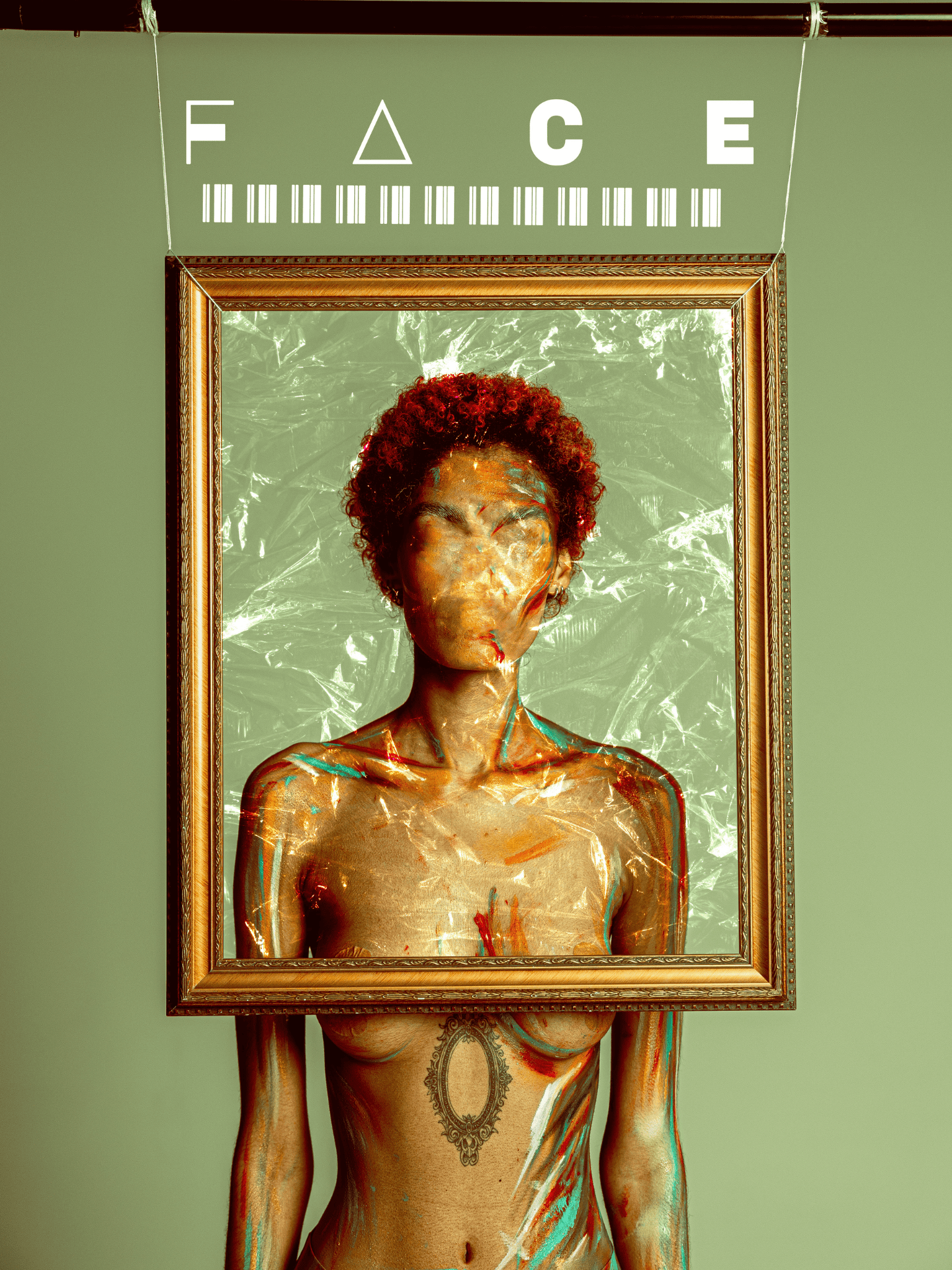
Remembering is a portrait series about womanhood as a slow shedding—peeling away dead skin, masks, and expectations. Each image holds two truths at once: the private battles we fight in silence, and the steady presence of sisterhood beside us. The masks don’t exist to hide— they symbolize the layers we once wore to survive. As those layers loosen, these women allow themselves to feel, to grieve, to be soft, and to breathe as their truest selves. Hair becomes language in this work. Kinky hair is treated as both crown and archive—beautiful, powerful, and heavy with memory. The women are dressed in hair as a metaphor for trauma tangled through repeated experiences: knots formed over time, patterns replayed, stories left unresolved. Sometimes we keep the tangles close because they’re familiar. Sometimes we don’t “detangle” because letting go can feel like losing what we’ve learned to live with. In Remembering, the refusal to straighten is intentional—because healing isn’t always about making everything neat. Sometimes it’s about honoring what happened, naming it, and gently loosening what no longer belongs. At its core, this series is about returning: to the body, to the breath, to self—held by the quiet power of sisterhood.
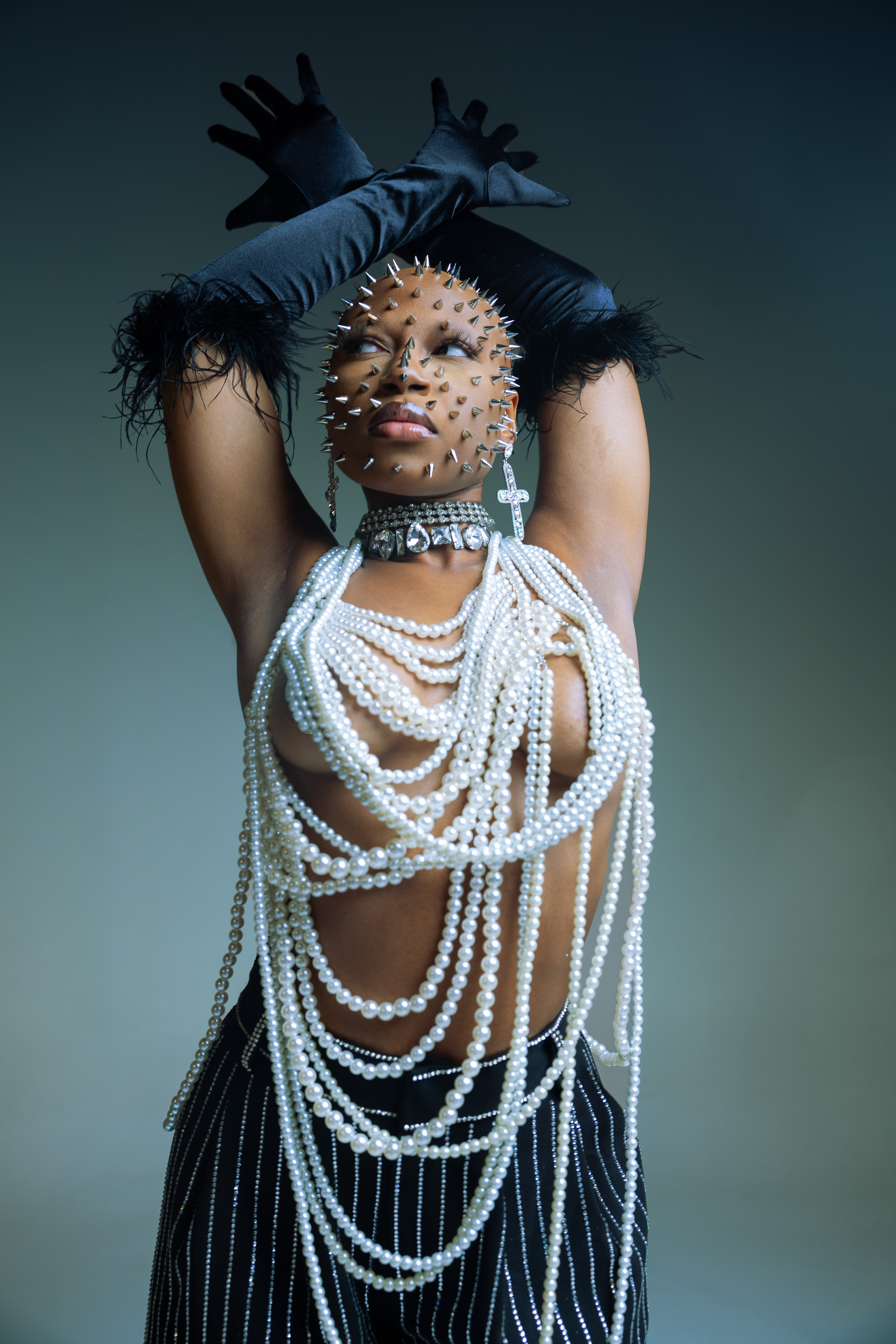
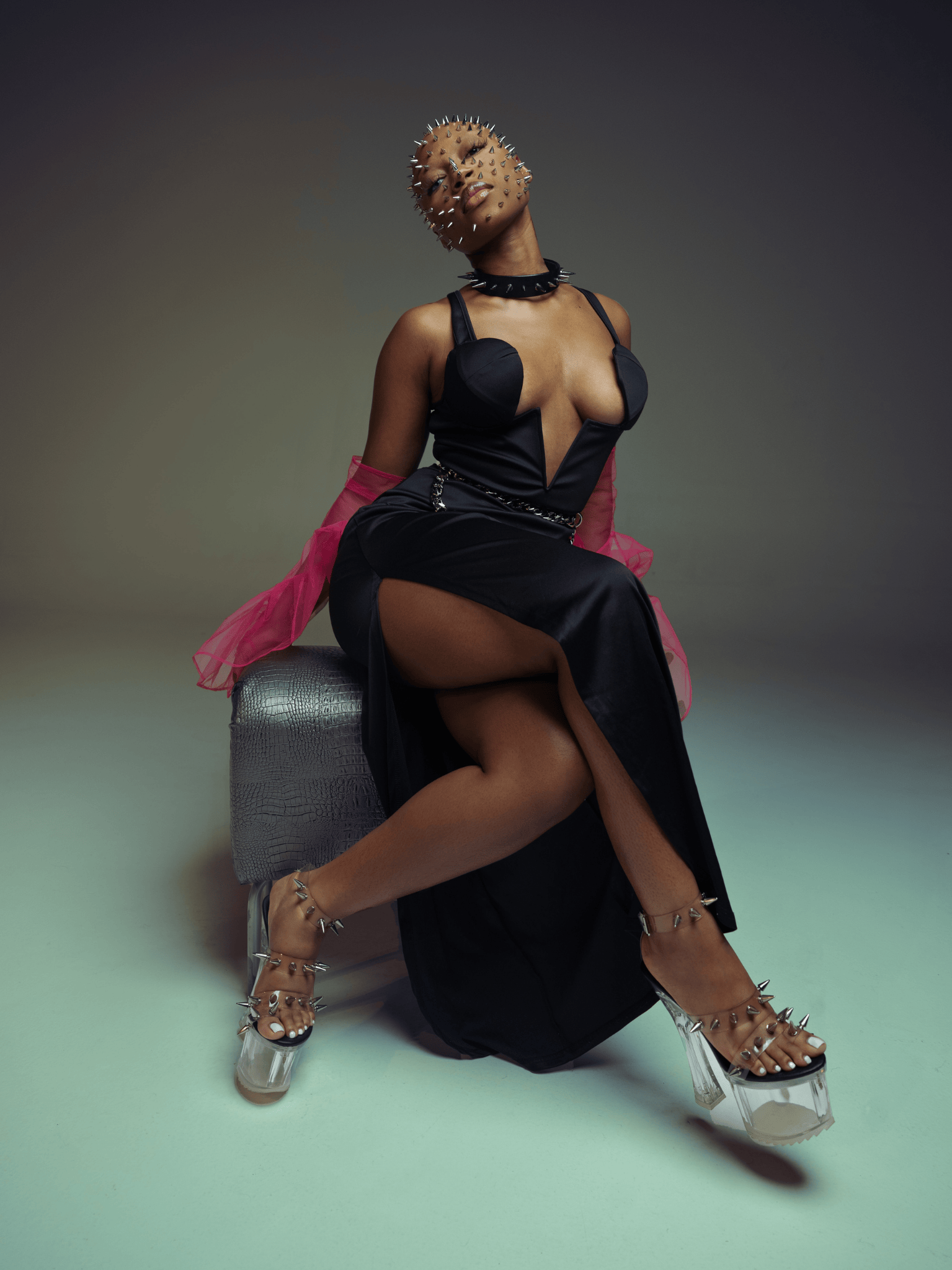
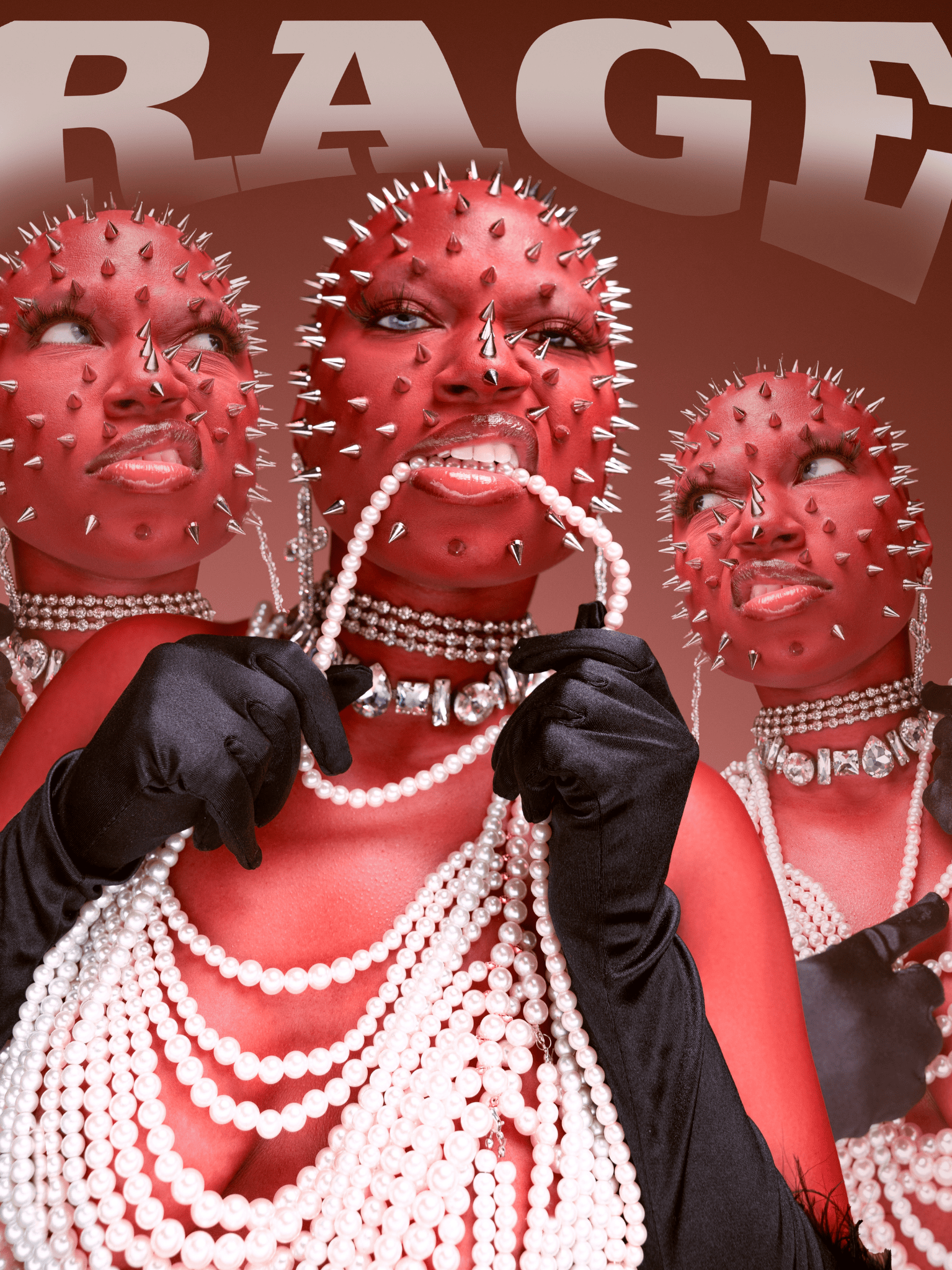
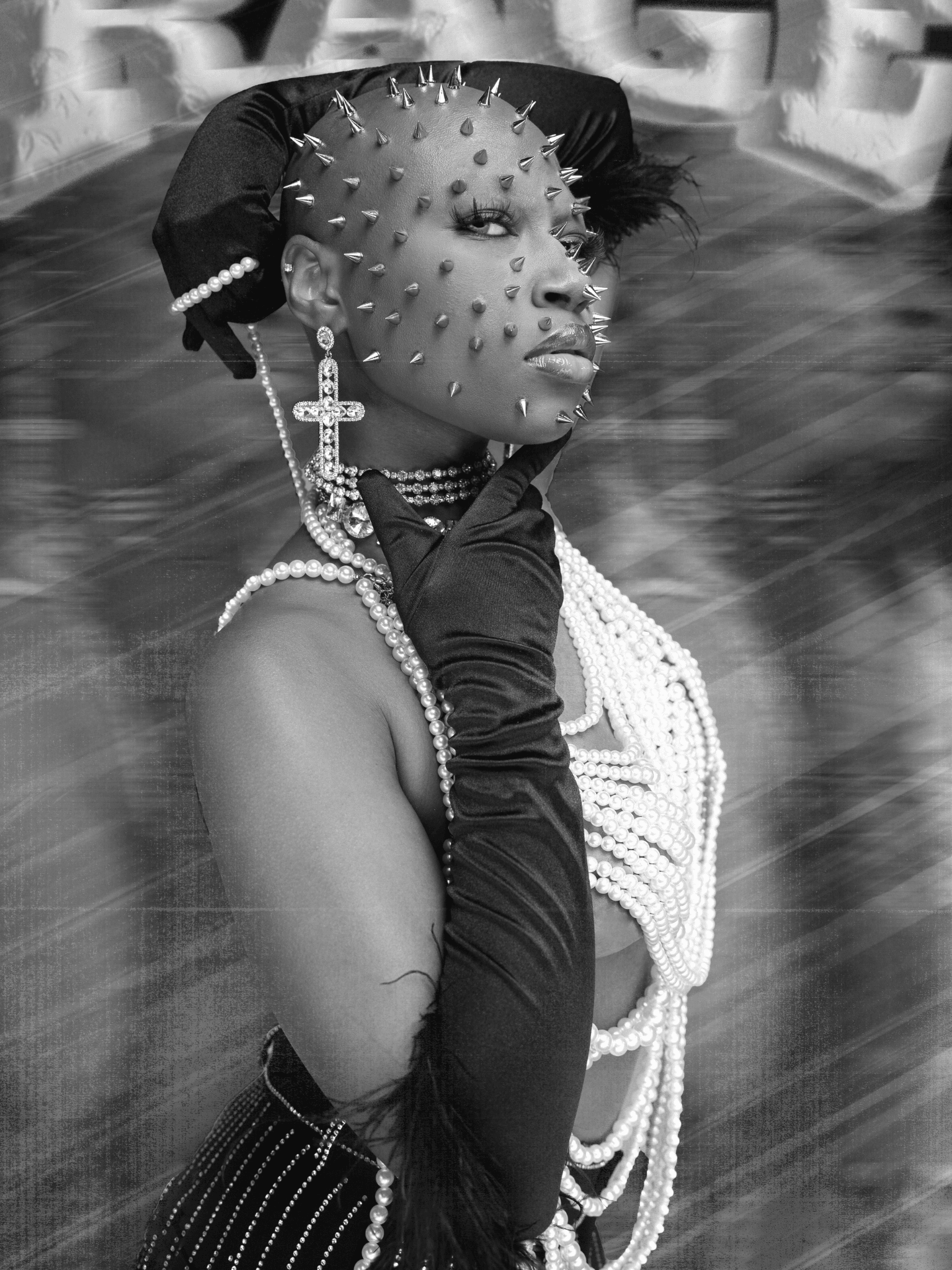
This shoot is about the cost of being admired—how “pretty” can invite pressure, projection, and touch. It’s a reminder that admiration doesn’t equal entitlement. The pearls hold the softness; the spikes are the boundary. Fashion becomes a warning label: beauty can be sharp, heavy, even dangerous when the world feels entitled to handle you carelessly. This is soft armor—delicate, not defenseless. Admire, but don’t touch.
“Behind the Color” began while I was working as a behind-the-scenes photographer and assistant on a Marvin Bowser hair photoshoot. Instead of only focusing on the finished look, I became drawn to the fragments: the in-between moments, the tools, the gestures, and the way light wrapped around bodies and objects. What started as documentation shifted into its own story—one where color and shape become the way we are remembered and identified. In this series, faces are not always centered; instead, silhouettes, angles, and shadows carry the memory. I used actual objects from the set—studio equipment and materials—to create shapes in front of the lens, building layers between the viewer and the subject. These forms blur what is “behind the scenes” and what is “the main scene,” suggesting that identity is not just in the final polished image, but in the colors, contours, and details that surround us. This work asks: when people think of us, is it our face they remember—or the colors and shapes we leave behind?